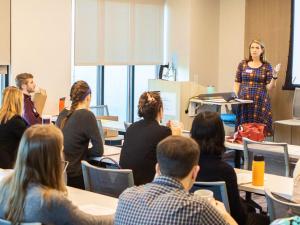
Community engagement can help build the political capital and human resources you need for successful design and implementation of a plan; it also can be very difficult to come by as many people are limited in their willingness and ability to participate, and this can especially be true of overburdened communities. Consider approaches that reduce barriers to participation: this can include providing stipends for community members to participate in meetings or focus groups; offering child care during events; offering events at a variety of times; and creating outreach to public events and locations such as neighborhood association meetings and community centers in order to meet people where they are already at.
There are good models available for designing community meetings. One example is the Strong, Prosperous, and Resilient Communities Challenge (SPARCC) guide for community engagement, which lays out key principles and provides several case studies for successfully structuring community engagement.
Good practice in community engagement that entices broader participation includes some time tested approaches, such as:
- Develop relationships with local leaders from the populations you are trying to engage and include them in the planning and leadership of the local climate adaptation process.
- Meet people where they are to build awareness and interest in opportunities to engage; social media, direct marketing, and tabling at community events are all good ways to engage people in conversation and encourage participation.