

Image
Hazard
Air Quality
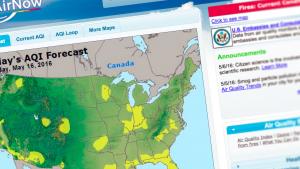
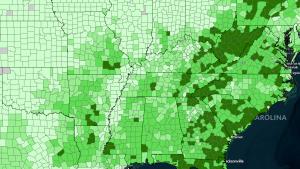
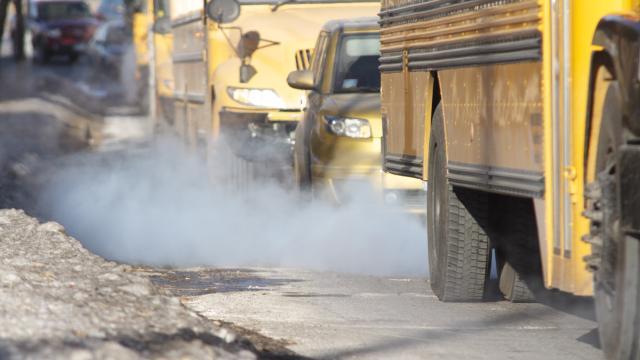
Air quality reflects the abundance of pollution present in air. Pollution is a mix of hazardous substances from both human-made and natural sources. Primary sources of human-made air pollution include vehicle emissions, fuel oils and natural gas to heat homes, by-products of manufacturing and power generation—particularly coal-fueled power plants—and fumes from chemical production.

Establish policies and management plans to develop urban forests and incentivize the use of best practices for long-term maintenance and preservation of urban trees.
Make portable air cleaners more accessible to improve indoor air quality in homes during wildfire smoke events.
Measure, monitor, and publicly report GHG emissions of large cruise ships while in port.
Offer free public transit rides on poor air quality days.
Develop and promote educational materials on the health impacts of air pollution, wildfire smoke, extreme heat, longer allergy seasons and vector-borne diseases. Focus on how to limit exposure to sensitive
Implement mobility plan and create networks to use transportation system and reduce number of cars on roads
Educate homeowners, landlords and renters about options to create safe indoor air (e.g., MERV 13 air filters, portable air cleaners), especially during wildfire smoke events.
Develop tree planting recommendations for public areas.
Educate the community about how to respond to air pollution action days, or when the air has unhealthy levels of fine particulates, carbon monoxide or ozone.
Assess local air quality; where needed, pursue strategies to protect vulnerable populations from pollution.
Recommend tree planting and protection strategies for private development projects.
Educate the public on energy conservation strategies.
Publicly report annually on progress in reducing pollution levels relative to targets and achieving the commitments in the Clean Air Cities Declaration.
Ensure food infrastructure located near vulnerable populations is easily accessible during severe weather.
Provide resources for homeowners and businesses to plant trees on private property.
Establish temporary and permanent car-free streets.
Grow partnerships between the public, private and nonprofit sectors to provide critical services to vulnerable populations in times of crisis.
Expand public, private and nonprofit partnerships to facilitate tree planting and nature-based solutions.
Evaluate and modify traffic patterns to reduce emissions in frontline communities.
Protect, maintain and expand the urban tree canopy.
Browse all strategies
Related Case Studies & Action Plans
Image
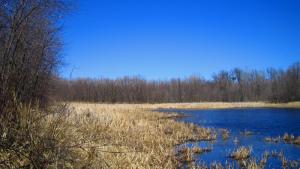
Photo attributed to Lazy Lightning. Incorporated here under the Creative Commons Attribution 2.0 Generic license. No endorsement by licensor implied.
Image
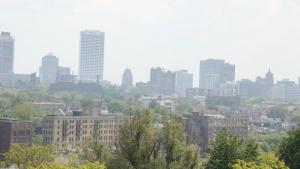
The Milwaukee Skyline in Smog, by Jeramey Jannene, via Flickr. Used via Creative Commons License CC BY 2.0.