
Image
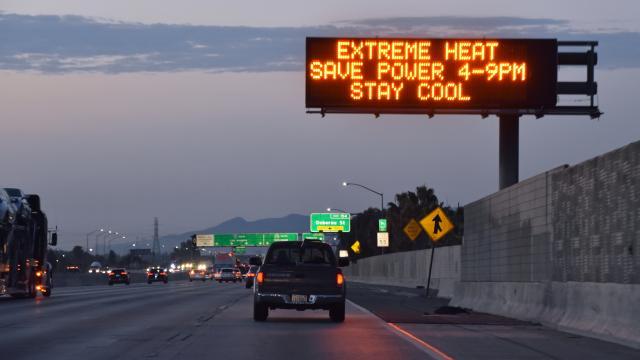
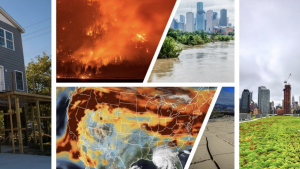
Extreme Heat by Chris Yarzab. Used via CC BY 2.0, via Flickr.
Hazard
Extreme Heat
A heat wave is a period of abnormally and uncomfortably hot and unusually humid weather, typically lasting two or more days with temperatures above the historical averages for a given area.

Relevant Options
Support the study and development of microgrid infrastructure systems to enhance power quality, reliability and resilience for facilities during grid outages and under normal conditions.
Identify and promote programs that can help residents access air conditioning during periods of extreme heat, such as fan and AC unit distribution programs.
Identify park-poor communities and ensure that new parks and trail systems are within walking distance to underserved populations.
During extreme heat and severe winter weather, organize community check-ins on elderly and sensitive populations. Program can be run at the neighborhood level through buddy systems where neighbors are
Publish a guide on steps that property owners can take to make their existing buildings more resilient.
Provide emergency service staff information about where vulnerable populations are located.
Ensure backup power is available at facilities that serve vulnerable populations.
Identify and plan for the use of municipal and county facilities (e.g., library, community buildings) as temporary shelter from storms or as cooling centers. Consider partnering with area nonprofits and
Create outreach program about cooling centers. Include information on where to go and how to decide when to go.
Provide financial assistance for low-income residents to help with power bills, energy upgrades to homes and apartments and support services during extended periods of high temperature.
Work with local medical providers and hospitals to ensure that medical facilities are prepared to meet any increased demand because of hazardous events.
Prioritize urban heat island mitigation strategies in transportation corridors to reduce the impacts of extreme heat on roads (e.g., trees, green roofs for buildings in transportation corridors, painting
Evaluate landscape and stormwater codes for suitability with projected changes in temperature and precipitation. Include an evaluation of how effectively
Support early maintenance and care of trees by building relationships and trust with community members.
Work with utilities and community partners to develop a weatherization program for renters. Doing so will reduce heating and cooling bills, especially
Identify community partnerships that could provide drinking water in emergencies.
Partner with banks to increase household emergency savings accounts.
Minimize stress on the electrical grid
Incentivize private property owners to implement green infrastructure (GI) and stormwater best practices through a reduced stormwater fee incentive program, zoning or other mechanisms. Encourage GI installations
Encourage the breeding of livestock animals and adoption of crops that are better adapted to warmer temperatures and greater precipitation variability.
Related Case Studies & Action Plans
Image
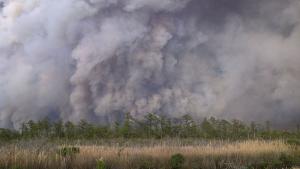
Photo attributed to USWS Souteast Region. This work is in the public domain. No endorsement implied.