


Image
Hazard
Severe Winter Weather
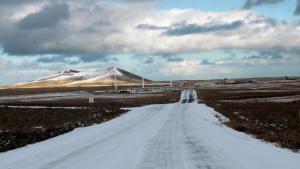
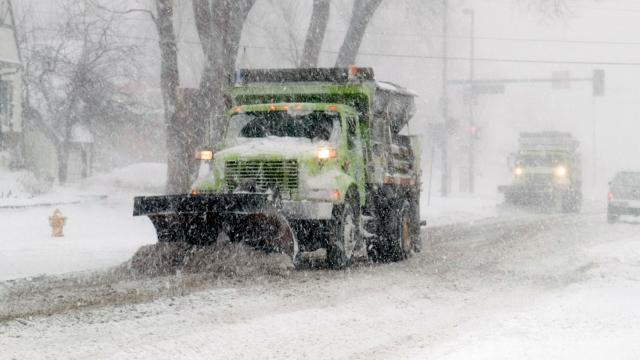
Winter Weather consists of winter storm events in which the main types of precipitation are snow, sleet, or freezing rain.

Relevant Options
Prioritize the proper function of transit, transportaiton, and mobility access points for socially vulnerable populations before, during, and after climate-related events.
Encourage utilities to include climate change scenarios in energy load forecasting and in the Integrated Resource Plan. Evaluate the potential effects of these changes in demand on revenue. For example,
Enhance emergency communication capabilities and evacuation strategies, routes and safety zones.
Encourage utility companies to harden energy infrastructure systems (e.g., poles, lines) against damage from climate-related effects and expand redundancy in the energy network.
Coordinate with regional transit providers to identify alternative routes and stops if normal infrastructure is damaged or closed as a result of extreme events.
Increase the capacity of residents to be self-reliant for the first few days following an extreme weather emergency. Emergency personnel are often overwhelmed during extreme weather emergencies and neighbors
Prioritize road treatment to streets and sidewalks to increase access to critical facilities (e.g., hospitals, emergency medical services, police and fire stations, food suppliers).
Develop a coordination plan to clear roads from debris after disasters.
Purchase backup generators for the water infrastructure system to provide a sustained minimal level of water services in the event of a catastrophic power loss.
Encourage residents to avoid unnecessary energy use at peak times during extreme hot or extreme cold temperatures.
Optimize the use of salt and sand to reduce impacts on natural areas and roadway maintenance.
Consider opportunities to add multi-modal transportation options (e.g., walking, biking, transit, rail) to areas isolated by threats. Consider how multi-modal transportation options can serve as an additional
Locate funds to replant established trees, which offer stormwater management as well as cooling benefits during hot weather, after extreme weather disasters.
During extreme heat and severe winter weather, organize community check-ins on elderly and sensitive populations. Program can be run at the neighborhood level through buddy systems where neighbors are
Provide emergency service staff information about where vulnerable populations are located.
Identify and plan for the use of municipal and county facilities (e.g., library, community buildings) as temporary shelter from storms or as cooling centers. Consider partnering with area nonprofits and
Work with local medical providers and hospitals to ensure that medical facilities are prepared to meet any increased demand because of hazardous events.
Develop new policy that requires private property owners to maintain sidewalks or accessible route to property.
Work with utilities and community partners to develop a weatherization program for renters. Doing so will reduce heating and cooling bills, especially
Partner with banks to increase household emergency savings accounts.
Related Case Studies & Action Plans
Image
This photo has been released into the public domain because it contains materials that originally came from the U.S. National Oceanic and Atmospheric Administration. No endorsement by licensor implied.
Image
Photo attributed to Glenn. Incorporated here under the Creative Commons Attribution-Share Alike 2.0 Generic license. No endorsement by licensor implied.
Image
Photo attributed to Royalbroil. Incorporated here under the Creative Commons Attribution 3.0 Unported license. No endorsement by licensor implied.