
Image
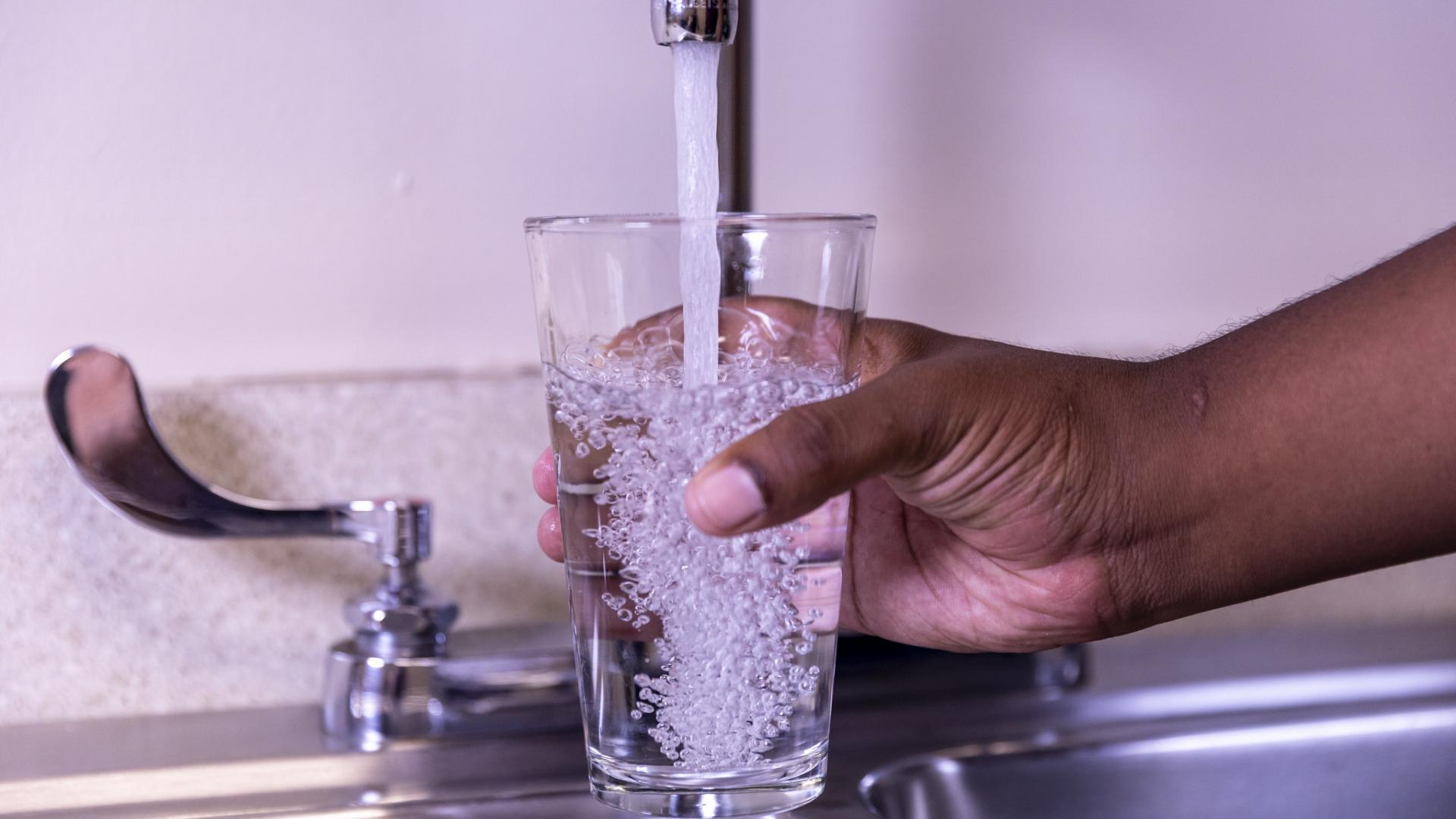
Public Domain. Credit: Alabama Extension
Asset
Water Infrastructure – Drinking Water
Water treatment plants, including raw water supplies and systems to distribute water to homes and businesses

Relevant Options
Work with the water utility to keep and update data on source-specific water supplies. Establish and implement sector-appropriate outreach mechanisms when water levels get low.
Find and address leaks in drinking water distribution systems.
Purchase backup generators for the water infrastructure system to provide a sustained minimal level of water services in the event of a catastrophic power loss.
Distribute educational materials on water conservation measures and the importance of conserving water use. For example, encourage property owners to fix leaks. Increasing water use efficiency can prevent
Across municipal operations, track water use and analyze trends at the building level. Reducing water use can prevent or alleviate drought impacts. Consider creating a dashboard to educate staff on water
Local flood water management agencies can partner with the U.S. Army Corps of Engineers (USACE) to conduct studies and watershed assessments that help shed light on water-related issues, including flood
Work with local water utilities, suppliers and regional partners to identify critical water needs and develop water supply plans that consider alternate sources, consider the use of regional water supplies,
Add continuous deflection separation units where necessary to the sewer system across the jurisdiction to prevent major debris from contaminating water systems.
Improve, expand and build new drinking water and wastewater infrastructure to support compact development. Include asset management tools to support long-term operation and maintenance.
Implement stormwater projects that reduce pollution and capture local water supply.
Collaborate to sustainably manage the regional water supply.
To prepare for droughts and other water impacts, enhance capacity and maintenance of water system interconnections — structures that join two existing water sources or supply systems to facilitate water
Engage with City Water & Sewerage Department and monitor progress annually to improve drinking water efficiency, water quality, and stormwater management.
Develop or update drought response plans to include historical data water usage and drought projections. Consider whether the existing plan needs to change thresholds or change response options.
Identify community partnerships that could provide drinking water in emergencies.
Continue to store water underground for use at a later date.
Ensure that any existing or newly permitted public facilities and services are designed to consider current and future flood scenarios when calculating level of service and are required to avoid present
Work with villages and property owners to relocate septic systems and public and private drinking water wells that are at risk due to floods.
Prepare agreements with government or nongovernmental partners to truck water in before the need occurs. Ensure agreement terms are adequate given the projected frequency of severe drought events.
Assess and prioritize natural public areas for additional water storage capacity. This action could also support natural habitat resilience.
Related Case Studies & Action Plans
Image
Photo attributed to U.S. Fish and Wildlife Service Headquarters. Incorporated here under the Creative Commons Attribution 2.0 Generic license. No endorsement by licensor implied.
Image
Photo attributed to Dirk Ingo Franke. Incorporated here under the Creative Commons Attribution 3.0 Unported license. No endorsement by licensor implied.

Image
This image has been released into the public domain because it contains materials that originally came from the National Park Service. No endorsement by licensor implied.