Image
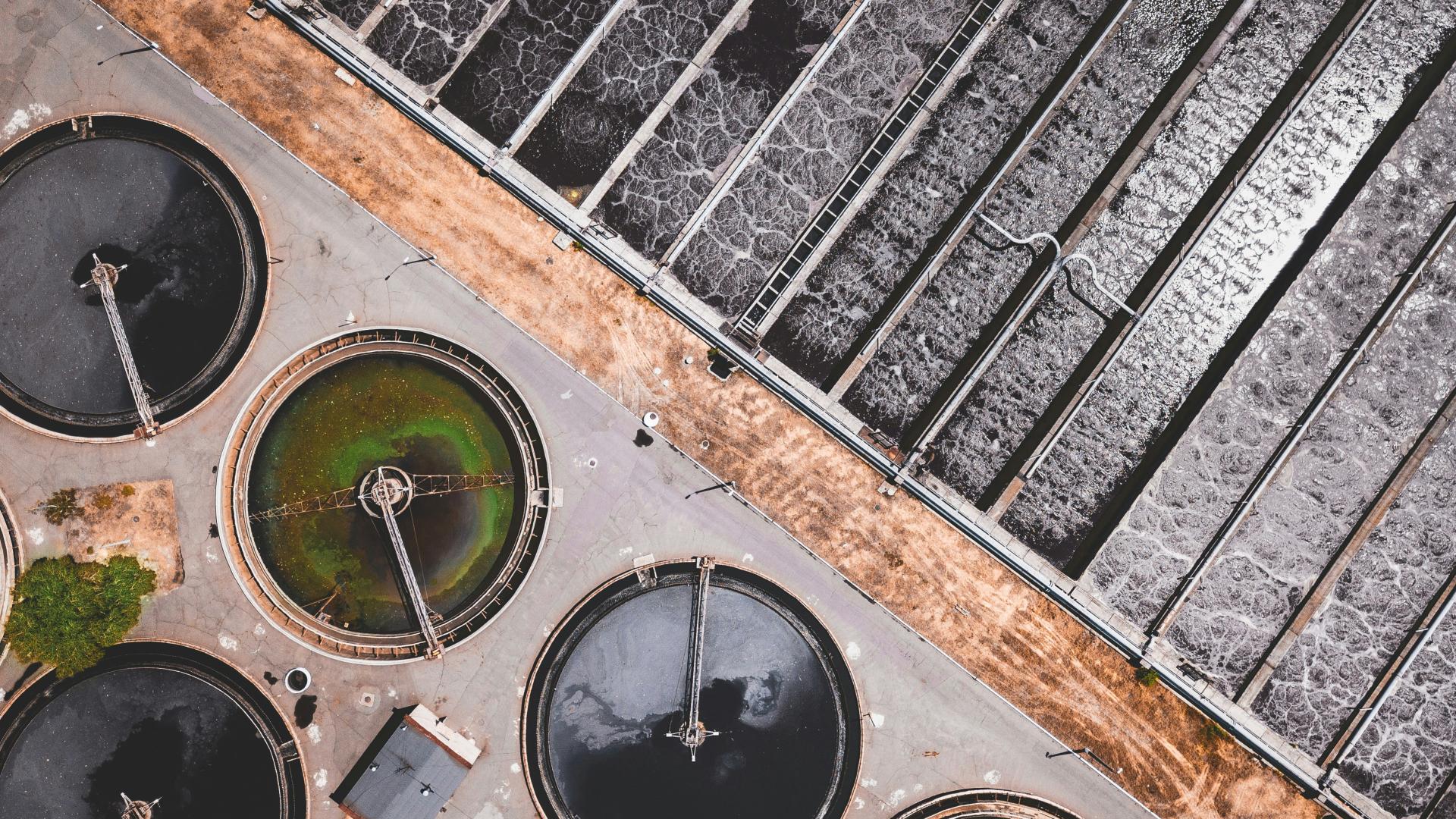
Top view of concrete structures by Ivan Bandura
Asset
Water Infrastructure – Wastewater

Relevant Options
Monitor and improve natural creek conditions to improve flood flow to reduce erosion, improve habitat and protect the adjacent neighborhoods and commercial areas.
Increase investment that support reductions in inflow and infiltration into wastewater collection systems.
Sponsor local volunteer events to reduce fuel loads along the wildland-urban interface.
Identify and implement strategies to fund wetland restoration.
Pilot approaches to bring landowners and key agencies together to plan and implement runoff management, erosion management and riparian restoration activities. Identify models and best practices for joint
Use vegetative cover to help stabilize slopes, reduce slope failure and minimize waterbody sedimentation.
Provide incentives for projects that restore or create marine coastal habitat areas (e.g., beaches, dunes, wetlands) to minimize coastal erosion.
Evaluate the flooding potential of creeks in the jurisdiction. Monitor water flow to improve natural creek conditions and to improve floodwater flow, reduce erosion, improve habitat and protect adjacent
Conduct regular monitoring of restored ecosystems once the primary restoration is complete, especially as climate stressors appear or become greater. Adjust future restoration and management practices
Create a plan for timely clean-up pre- and post-event to avoid impacts on natural areas and water bodies.
Support wildlife that provides ecosystem services that enhance agriculture production.
Explore new technologies for treating wastewater for use.
Designate the flood zone as green space that can be used for trails and recreation or to augment small scale agriculture or flood water retention.
Conduct habitat, stream and floodplain restoration on properties purchased through floodplain buyouts.
Inventory the use of herbicides and pesticides in parks and other public properties. Develop a strategy and establish targets to reduce use.
Encourage nonprofits to hold land conservation easements. Encourage them to use those easements in ways that help manage climate change impacts.
Conduct a resource gap assessment and identify and pursue new partnership opportunities to implement wildfire protection measures.
Improve soil stability by increasing root mass with more vegetation and limiting grading activities.
Develop a toilet retrofit program with an emphasis on serving low-income households. Such programs feature a rebate to customers that purchase and install a low flow toilet that uses 1.28 gallons per
Encourage residents to re-establish natural floodplains.
Related Case Studies & Action Plans
Image
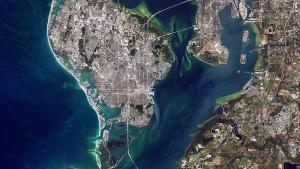
This image has been released into the public domain because it contains materials that originally came from the United States National Aeronautics and Space Administration (NASA). No endorsement by licensor implied.
Image
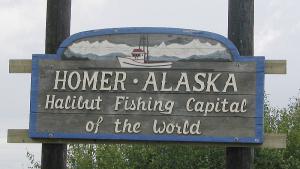
(c) 2005 Derek and Julie Ramsey (Ram-Man). Incorporated here under the Creative Commons Attribution-Share Alike 2.5 Generic license. No endorsement by licensor implied.
Image

Photo attributed to www.terraprints.com. Incorporated here under the Creative Commons Attribution 2.5 Generic license. No endorsement by licensor implied.
Image
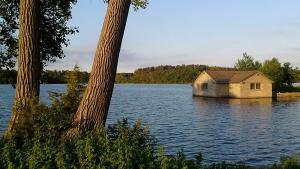
Photo attributed to McGhiever. Incorporated here under the Creative Commons Attribution 3.0 Unported license. No endorsement by licensor implied.