test
Help Desk Items
FAQs
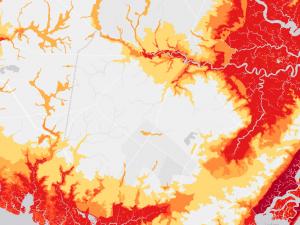
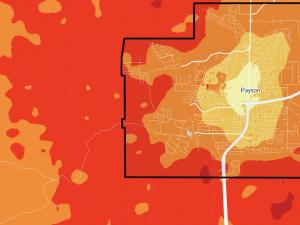
A good place to start is with the CMRA Assessment Tool. Data and maps available in this tool are downscaled results from global climate models. Results for selected geographies indicate how severity and frequency of five common climate-related hazards is projected to change through this century.
The timeframe for evaluating climate change projections depends on the longevity of the decision you are making. For example, the lifespan of built infrastructure may be subject to climate-related impacts decades into the future. Such decisions often involve substantial investment, which itself elevates the risk imposed by climate change.
Alternatively, a given policy may be in effect for a shorter period of time. When addressing urban flooding impacts on roads or infrastructure within the context of a local comprehensive plan, decision makers are likely concerned with a 10-year horizon.
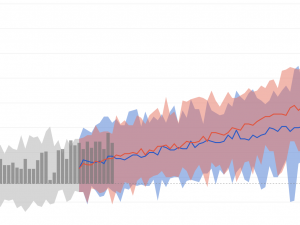
Representative concentration pathways (RCPs) portray possible future greenhouse gas and aerosol concentration scenarios. Scenarios do not substantially differ before mid-century. Because the concentrations of those gases continue to increase at a rapid rate, and because planners want to incorporate a margin of safety in their plans, many professionals use RCP 8.5 for near and long-term projections. For examples of how one state evaluates and uses projections, see Cal-Adapt.
Technical Resources




FAQs
Vulnerability is the propensity or predisposition of assets to be adversely affected by hazards. Vulnerability encompasses exposure, sensitivity, potential impacts, and adaptive capacity. Because these factors vary, not all communities or populations are equally vulnerable to the same climate risks.
Assets include the people, resources, ecosystems, infrastructure, and the services they provide. Assets are the tangible and intangible things communities value and will vary by community.
The Steps to Resilience – Assess Vulnerability & Risk can help practitioners think through the full range of asset categories that may be relevant for their community.
Risk is the potential for negative consequences where something of value is at stake. In the context of assessing climate impacts, risk refers to the potential for adverse consequences of a climate-related hazard. Risk can be assessed by multiplying the probability of a hazard by the magnitude of the negative consequence or loss.
For example, the risk of extreme heat exposure to a subsection of a city's population might be evaluated by examining projections of extreme heat and the number and sensitivity of people or other assets that are potentially exposed to extreme heat events. Evaluating sensitivity could entail identifying populations that may be particularly sensitive to heat, identifying housing stock with poor or no climate control, and/or identifying whether there are sufficient cooling centers to assist those without access to cooling at home.
When evaluating community actions (e.g., projects, capital improvements, facilities siting and maintenance), you can apply a "climate lens" or evaluation assessment tool and integrate it into standard operating procedures. This could become a required or recommended part of how your organization or agency completes a permitting or financing process. The Steps to Resilience: Prioritize & Plan can help you evaluate the costs, benefits, and your team’s capacity to implement each potential solution.
Another example of such a tool is the Climate Change Adaptation Certification Tool. This tool asks simple questions to quickly guide users through an evaluation to make a decision about the project’s suitability in the context of climate change risks and helps the user think through modifications needed to address identified risks.
Technical Resources

FAQs
A good place to start is with the CMRA Assessment Tool. Data and maps available in this tool are downscaled results from global climate models. Results for selected geographies indicate how severity and frequency of five common climate-related hazards is projected to change through this century.
The timeframe for evaluating climate change projections depends on the longevity of the decision you are making. For example, the lifespan of built infrastructure may be subject to climate-related impacts decades into the future. Such decisions often involve substantial investment, which itself elevates the risk imposed by climate change.
Alternatively, a given policy may be in effect for a shorter period of time. When addressing urban flooding impacts on roads or infrastructure within the context of a local comprehensive plan, decision makers are likely concerned with a 10-year horizon.
Representative concentration pathways (RCPs) portray possible future greenhouse gas and aerosol concentration scenarios. Scenarios do not substantially differ before mid-century. Because the concentrations of those gases continue to increase at a rapid rate, and because planners want to incorporate a margin of safety in their plans, many professionals use RCP 8.5 for near and long-term projections. For examples of how one state evaluates and uses projections, see Cal-Adapt.
Technical Resources
FAQs
Vulnerability is the propensity or predisposition of assets to be adversely affected by hazards. Vulnerability encompasses exposure, sensitivity, potential impacts, and adaptive capacity. Because these factors vary, not all communities or populations are equally vulnerable to the same climate risks.
Assets include the people, resources, ecosystems, infrastructure, and the services they provide. Assets are the tangible and intangible things communities value and will vary by community.
The Steps to Resilience – Assess Vulnerability & Risk can help practitioners think through the full range of asset categories that may be relevant for their community.
Risk is the potential for negative consequences where something of value is at stake. In the context of assessing climate impacts, risk refers to the potential for adverse consequences of a climate-related hazard. Risk can be assessed by multiplying the probability of a hazard by the magnitude of the negative consequence or loss.
For example, the risk of extreme heat exposure to a subsection of a city's population might be evaluated by examining projections of extreme heat and the number and sensitivity of people or other assets that are potentially exposed to extreme heat events. Evaluating sensitivity could entail identifying populations that may be particularly sensitive to heat, identifying housing stock with poor or no climate control, and/or identifying whether there are sufficient cooling centers to assist those without access to cooling at home.
When evaluating community actions (e.g., projects, capital improvements, facilities siting and maintenance), you can apply a "climate lens" or evaluation assessment tool and integrate it into standard operating procedures. This could become a required or recommended part of how your organization or agency completes a permitting or financing process. The Steps to Resilience: Prioritize & Plan can help you evaluate the costs, benefits, and your team’s capacity to implement each potential solution.
Another example of such a tool is the Climate Change Adaptation Certification Tool. This tool asks simple questions to quickly guide users through an evaluation to make a decision about the project’s suitability in the context of climate change risks and helps the user think through modifications needed to address identified risks.