
Image
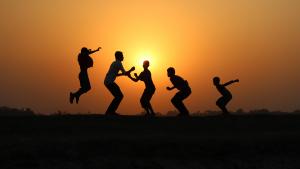
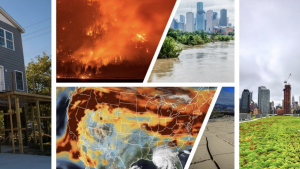
Extreme Heat by Chris Yarzab. Used via CC BY 2.0, via Flickr.
Hazard
Extreme Heat
A heat wave is a period of abnormally and uncomfortably hot and unusually humid weather, typically lasting two or more days with temperatures above the historical averages for a given area.

Relevant Options
On emergency service stations and emergency response shelters, install solar with battery backup or emergency power inverters to provide at some electrical power in the event of a long-term outage.
Collaborate with public works departments and regional transit providers to increase shading and heat-mitigating materials on pedestrian walkways and transit stops.
Increase the tree canopy by implementing urban forestry programs and changing ordinances to require less cutting and more vegetation.
Maximize the planning and implementation of green infrastructure at the watershed scale and site-specific locations. Green infrastructure helps manage stormwater on site, can improve water quality, can
Determine what the thresholds are to indicate when a heat and humidity (heat index) alert may be triggered
Strengthen public transit systems to provide safe travel during extreme heat and smoke events. Offer free public transit rides during these events.
Recommend tree planting and protection strategies for private development projects.
Increase the use and frequency of preventative maintenance treatments (e.g., seal coats, crack seals) that reduce impact of high temperatures on roadway wear and tear.
Launch or expand fan and AC unit distribution programs.
Develop a comprehensive maintenance and training program for local government employees at facilities with backup generators to ensure proper placement, hook-up and function during hazard events.
Develop and promote educational materials on the health impacts of air pollution, wildfire smoke, extreme heat, longer allergy seasons and vector-borne diseases. Focus on how to limit exposure to sensitive
Assess governmental assets' exposure to erosion, extreme heat, flooding, high winds, landslides, severe winter weather and wildfire. Determine if those assets house critical functions. If they do, determine
Hold events where residents can interact with local experts and develop an emergency preparedness kit to take home.
Ensure food infrastructure located near vulnerable populations is easily accessible during severe weather.
Encourage and install more reflective pavement or pavement coatings on roads and parking lots.
Provide resources for homeowners and businesses to plant trees on private property.
Design of built environment, tree canopy, transportation (how to move). Opening community centers, education, water, building social/community plans, how elders work within community neighbor networks.
Protect, maintain and expand the urban tree canopy.
Coordinate with social service providers to ensure that emergency shelters are available during extreme heat events, poor air quality days, severe weather and other highly hazardous conditions. Ensure
Purchase backup generators for the water infrastructure system to provide a sustained minimal level of water services in the event of a catastrophic power loss.
Related Case Studies & Action Plans
Image
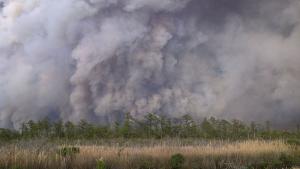
Photo attributed to USWS Souteast Region. This work is in the public domain. No endorsement implied.