



Image
Circle icon with arrows extending to the right

Investigate Options

What might be done to reduce your risk? 

Consult the Options Database and Case Studies to learn what other communities have done. Compile an extensive list of options that could reduce negative impacts before narrowing your focus to the actions that are feasible.

Access training to Investigate Options.

Read Full Summary
Image
Circle icon with arrows extending to the right

Investigate Options

Refine resilience objectives

Now that you're reviewing options, it is important to clarify and agree on the most pressing climate-related impacts that need to be addressed through adaptation strategies.

Resilience objectives define the following:

  • The climate-related hazard(s) being addressed
  • The specific people and community assets that are impacted
  • The location(s) within the community where these impacts occur
  • The severity of the vulnerability and risk

Image
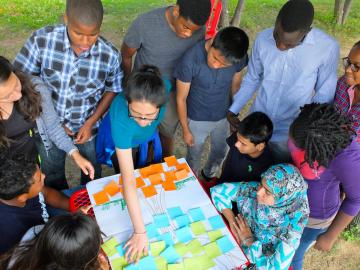
Someone holding a blue marker and pointing at the papers beneath them

Gather a list of strategies that could reduce risk

Begin this step by thinking expansively: you'll want to list as many ideas as possible that could reduce your current vulnerabilities and risk. Though some community members may already have a favored solution in mind, resist the temptation to focus on just one or a few options. 

The longer and more diverse your pool of suggestions, the more likely you are to identify a response that can solve your most pressing issues and offer additional co-benefits.

Consider solutions gathered from published climate resilience plans

Gather a list of strategies from the Toolkit's Options Database.

Select the Hazard and Asset that best describe your situation, then copy the list of strategies coded to that pair. Recognizing that multiple categories of options exist—from educating the public through civil engineering projects—can expand your ideas about what could be done to reduce risk.

Explore case studies and examples of published climate adaptation plans

Check for relevant Case Studies to see what others have done. Browse all, or select a hazard or asset of interest. Use filters on the left of the page to  refine your choices.

Results will include case studies and published climate resilience plans with accounts of how others have responded when they faced a situation similar to yours. Consider if some part of their response is a possible option or strategy for your effort.


Image
Training and webinars icon

Steps to Resilience Training

Image
Illustrations of a diverse group of people standing in a v formation

Become a Champion

Dive into this six-module e-learning course so you can put the Steps to Resilience into practice.

Get Started Here

Or access training to Investigate Options.