


Image
hazard icon with magnifying glass

Understand Exposure

Community Assets include the people, infrastructure, and natural systems you want to protect. 

Hazards are events or conditions that could injure people or damage assets. 

Exposure occurs wherever assets and hazards overlap. 

Access training to Understand Exposure.

Read Full Summary
Image
hazard icon with magnifying glass

Understand Exposure

Image
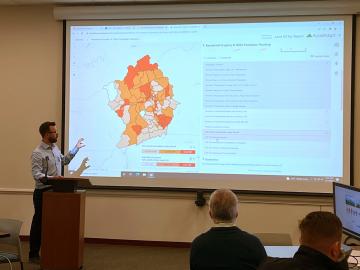
Photo of classroom with projector screen

Inventory what you care about

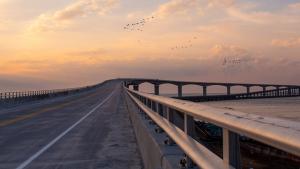
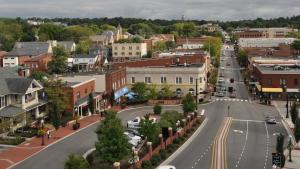
  • What natural features, historical sites, schools, tourist attractions, or retail centers make your community special?
  • Which industries and companies support a significant number of jobs?
  • What transportation infrastructure (roads, bridges, ports, light rail, etc.) do people and businesses depend on to move people and goods through the community?
  • What special events draw visitors to your community?
  • Check out your list against our list of assets.
Image
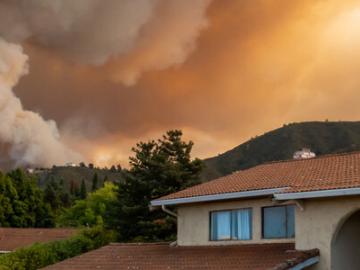
WIldfire

List your climate-related hazards

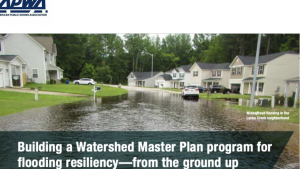
Flooding, drought, landslides, wildfire, high winds, and extreme heat are common climate-related hazards. Check for more on our full list of hazards

What hazards have occurred in the past? What hazards might occur in the next year or so? What hazards might occur under future conditions over the next several decades?

Start with hazards that have occurred in your region in the past

Draw on local knowledge, newspaper archives, and online tools to identify extreme weather events that occurred within your region in the past. Capture a few bullet points about each event and its impacts.

Example: In the fall of 1994, after five days of heavy rain, debris clogged the stormwater system and 16 homes at the lower end of Elm street flooded.

Explore past storms in the Storm Reports Database

Which hazards might occur in the next few years?

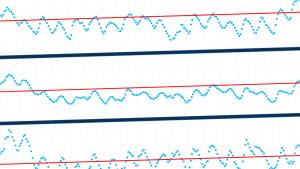
Check if trends in temperature and precipitation suggest an increasing chance of hazards such as heat waves, drought, or flooding occurring in your region. Capture brief descriptions of hazards or events your community may face.

Check maps and graphs of recent temperature and precipitation trends for your county

View climate trends in State Climate Summaries

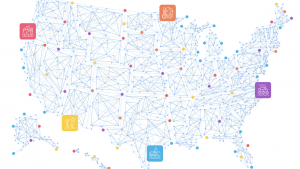
View real-time climate hazards and the number of people currently exposed to them

Which hazards might you face over the next several decades?

As temperatures rise and precipitation patterns change over this century, which new hazards might occur in your region? List hazards you might expect to occur under conditions projected for the future.

Check current and future exposure in the Climate Mapping for Resilience and Adaptation portal

Visit the Toolkit's Climate Explorer tool to see climate projections for any county in the United States

Check if rising sea levels could impact your region

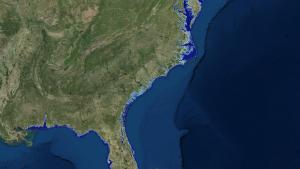
As global sea level rises, will it affect land in your region? If so, capture a brief description of the frequency and depth of coastal flooding projected for the future.

Check future shoreline locations in the Sea Level Rise Viewer
Image
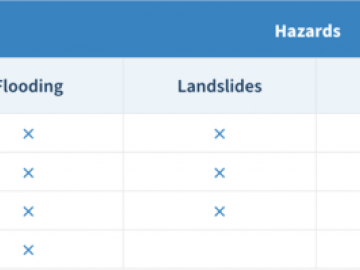
Exposure matrix

Transfer your assets and hazards into an exposure matrix

  • In a spreadsheet, list your assets in the first column on the left.
  • Enter your potential hazards along the top row.
  • At each cell in the matrix, consider if the asset could be damaged by the hazard.

This deliberate exercise can help you move from vague worries about extreme weather to a specific list of concerns that you may be able to address.

  • Open a blank spreadsheet, or use a piece of lined paper.
  • List your community assets in the first column on the left.
  • Across the top row, enter each hazard that could occur in your location
  • Start with your first asset and work across the row: Consider if the asset could be damaged by the hazard at the top of each column.
    • If the asset could be damaged by the hazard, put an X in the cell to indicate the asset is exposed.
    • If the asset wouldn't be damaged, leave the cell blank.
  • Work across the row for each asset, one at a time.

When you're done, the cells with an X define your list of assets that are exposed to each climate-related hazard.

You can find additional worksheets and examples to help with this task in the Practitioner's Guide Resources below.

Image
Training and webinars icon

Steps to Resilience Training

Image
Illustrations of a diverse group of people standing in a v formation

Become a Champion

Dive into this six-module e-learning course so you can put the Steps to Resilience into practice.

Get Started Here

Or jump to the module focused on understanding exposure here.