

Image
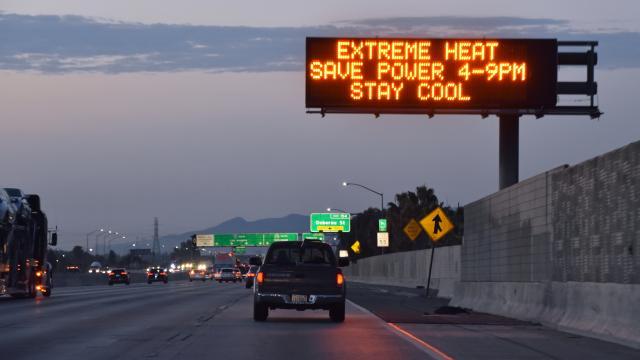
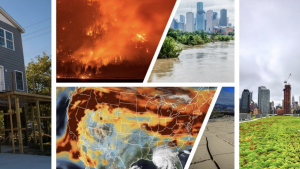
Extreme Heat by Chris Yarzab. Used via CC BY 2.0, via Flickr.
Hazard
Extreme Heat
A heat wave is a period of abnormally and uncomfortably hot and unusually humid weather, typically lasting two or more days with temperatures above the historical averages for a given area.

Relevant Options
Coordinate with community members, transportation agencies and private entities to identify local and regional transportation, transit and active transportation corridors that are at-risk from climate
Evaluate opportunities to increase shade trees and structures, reduce heat-absorbing surfaces and add “spray” water features and water fountains as part of all capital upgrades.
Use the best available science and resilient design features in transportation infrastructure to improve resiliency to extreme climate events.
Engage faith, civic and other community groups to co-organize volunteer opportunities to plant public and private trees.
Test new technologies, materials and tools to increase preparedness for power outages during extreme weather. For example, test various means of backup power to protect traffic-control facilities, including
Encourage employers to change workplace environments to reduce wildfire smoke and heat exposure. For example, adapt work hours, follow OSHA guidance and provide pop-up clean air shelters and appropriate
Develop public health outreach strategies for vulnerable populations during heat waves. This effort could be in partnership with community organizations.
Enable systems and techniques that reduce energy and conserve resources (e.g., graywater systems, green roofs, use of green energy technology)
Plant trees or construct shade structures for livestock.
Partner with local energy utilities to study the long-term effects of warmer summer temperatures and extreme high temperatures on summer load peaks and changes in residential air conditioning use in the
Develop and implement a jurisdiction-wide green infrastructure plan that supports vegetation-based stormwater management best practices and strategies for managing urban heat.
Grow partnerships between the public, private and nonprofit sectors to provide critical services to vulnerable populations in times of crisis.
Create agreements with AirBnB and other home share platforms to educate guests on hazards and emergency exit strategies.
In case of power outages, ensure emergency personnel have access to and protocols for CB and ham radio usage. Ham radios require an informal network of operators. These communications can help emergency
Enhance emergency communication capabilities and evacuation strategies, routes and safety zones.
Implement green infrastructure strategies on properties owned by the local government. Green infrastructure helps manage stormwater on site and it offers cooling benefits during hot weather.
Identify funding for increased operation and maintenance costs for bridges. As temperatures increase and flooding and erosion becomes more frequent, maintenance costs will increase.
Maintain hydroelectric generating capacity as feasible
Expand employer and worker training in industries with outdoor work, including assurance for adequate water, shade and rest breaks, and protection from
Evaluate shelter policies and resources to ensure residents have access to indoor shelters with the proper resources during periods of elevated nighttime temperatures (>80°F). Consider expanding cooling
Related Case Studies & Action Plans
Image
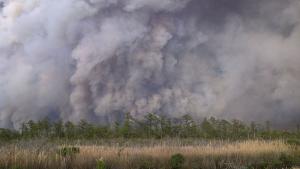
Photo attributed to USWS Souteast Region. This work is in the public domain. No endorsement implied.