

Image
Hazard
Air Quality
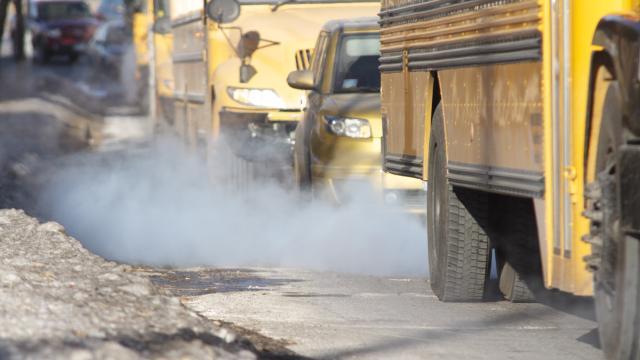
Air quality reflects the abundance of pollution present in air. Pollution is a mix of hazardous substances from both human-made and natural sources. Primary sources of human-made air pollution include vehicle emissions, fuel oils and natural gas to heat homes, by-products of manufacturing and power generation—particularly coal-fueled power plants—and fumes from chemical production.

Relevant Options
Develop policies to enhance the urban tree canopy in ways that protect pedestrians and bicyclists from heat and pollution exposure.
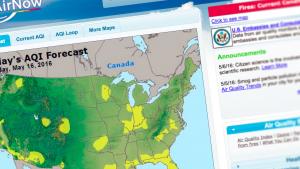
Make air quality measurements publicly available on a website and promote the use of the website.
Help connect low-income residents with existing weatherization programs. These programs often provide home insulation, water heater insulation, double-paned windows, thermostats, window coverings, fans
Expand employer and worker training in industries with outdoor work, including assurance for adequate water, shade and rest breaks, and protection from
Continue promoting teleworking opportunities for local government staff and encouraging businesses to establish telework policies.
Encourage employers to change workplace environments to reduce wildfire smoke and heat exposure. For example, adapt work hours, follow OSHA guidance and provide pop-up clean air shelters and appropriate
Facilitate compliance with federal air quality standards by businesses.
Coordinate with social service providers to ensure that emergency shelters are available during extreme heat events, poor air quality days, severe weather and other highly hazardous conditions. Ensure
Provide financial or process incentives for compact development near transit, especially those that prioritize affordable housing.
Strengthen public transit systems to provide safe travel during extreme heat and smoke events. Offer free public transit rides during these events.
Work with the state to communicate air quality to impacted communities.
Work with utility companies to increase the amount of electricity from renewable sources to improve air quality, diversify power sources and increase the resilience of the power grid.
Develop an incentive program to convert fuelburning lawn equipment such as gas-powered lawn mowers and blowers to electric.
Include a requirement in future school bus contracts to minimize emissions from school buses
Distribute or build on existing education programs related to asthma. Add information on the health risks from wildfire smoke, changing allergy seasons, extreme heat and air quality. Focus on how to limit
Educate residents about how vehicle emissions contribute to air quality and health outcomes, and how changing behaviors like unnecessary idling and trip linking can reduce impacts.
Engage faith, civic and other community groups to co-organize volunteer opportunities to plant public and private trees.
Encourage local businesses to benchmark, disclose, and reduce energy use in their buildings. Consider creating a city- sponsored recognition program for businesses who conserve energy.
Benchmark, disclose, and reduce energy use in city-owned buildings.
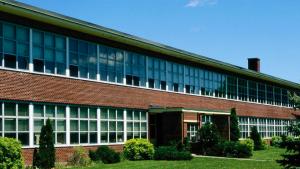
Develop voluntary measures and incentives, such as a certification program for clean air buildings, to encourage safe indoor air in public buildings, schools and businesses.
Related Case Studies & Action Plans
Image
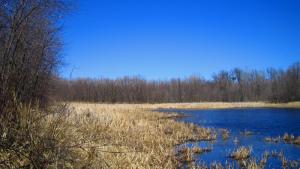
Photo attributed to Lazy Lightning. Incorporated here under the Creative Commons Attribution 2.0 Generic license. No endorsement by licensor implied.
Image
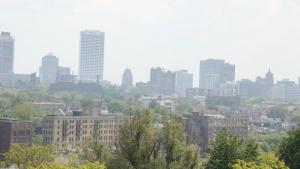
The Milwaukee Skyline in Smog, by Jeramey Jannene, via Flickr. Used via Creative Commons License CC BY 2.0.