

Image
Hazard
Severe Winter Weather
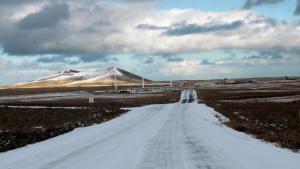
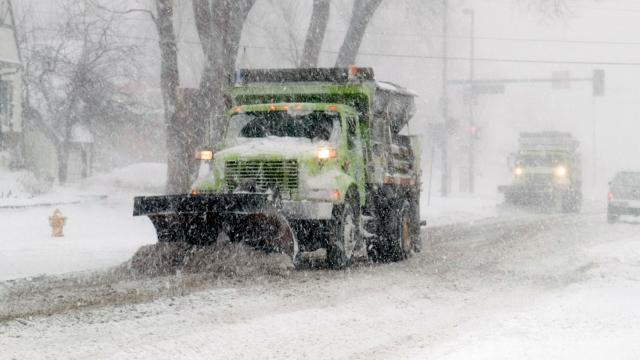
Winter Weather consists of winter storm events in which the main types of precipitation are snow, sleet, or freezing rain.

Expand workforce preparedness training opportunities and programs to quickly restore essential local government services after a major shock.
In case of power outages, ensure emergency personnel have access to and protocols for CB and ham radio usage. Ham radios require an informal network of operators. These communications can help emergency
Reduce carbon monoxide (CO) poisoning by creating or expanding education on the topic. Distribute CO detectors through education efforts.
Partner with businesses on long-term recovery.
Coordinate with community members, transportation agencies and private entities to identify local and regional transportation, transit and active transportation corridors that are at-risk from climate
Encourage utility companies to conduct feasibility studies for an interconnected power grid that includes battery energy storage systems. Interconnected power grids increase the consistency of power generation
Bury distribution lines to make them more resilient during hurricanes, severe winter weather and wildfires.
Develop an educational campaign that encourages residents to weatherize their homes. Doing so will reduce heating and cooling bills, especially as high temperature days and nights become more common.
Maintain access to activity centers (e.g., downtown) during snow and ice events.
Identify garage locations in several neighborhoods where Emergency Medical Services can shelter ambulances and EMA staff during extreme storms and have rapid access to the neighborhoods they serve.
Diversify the fuel sources used by essential fleet vehicles to allow for travel in the event of a long interruption in the fuel supply. Examples include electricity, natural gas, propane and ethanol.
Ensure food infrastructure located near vulnerable populations is easily accessible during severe weather.
Ensure backup power is available at facilities that serve vulnerable populations.
Develop a local funding mechanism (e.g., gas tax or tax increment financing) to provide dollars towards non-capacity transportation projects.
On emergency service stations and emergency response shelters, install solar with battery backup or emergency power inverters to provide at some electrical power in the event of a long-term outage.
Create a backup communications plan and a road access plan for residents who rely on public transportation to access medical care (e.g., dialysis patients, the aging community, persons with disabilities)
Create a plan for timely clean-up pre- and post-event to avoid impacts on natural areas and water bodies.
Explore more environmentally friendly options for ice abatement on local streets.
Develop a comprehensive maintenance and training program for local government employees at facilities with backup generators to ensure proper placement, hook-up and function during hazard events.
Assess governmental assets' exposure to erosion, extreme heat, flooding, high winds, landslides, severe winter weather and wildfire. Determine if those assets house critical functions. If they do, determine
Browse all strategies
Related Case Studies & Action Plans
Image
This photo has been released into the public domain because it contains materials that originally came from the U.S. National Oceanic and Atmospheric Administration. No endorsement by licensor implied.
Image
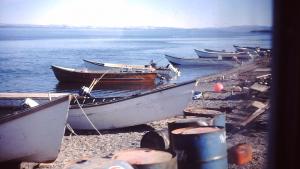
Photo attributed to Glenn. Incorporated here under the Creative Commons Attribution-Share Alike 2.0 Generic license. No endorsement by licensor implied.
Image
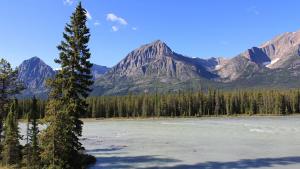
Photo attributed to Royalbroil. Incorporated here under the Creative Commons Attribution 3.0 Unported license. No endorsement by licensor implied.

Image
Angela Burgess, USFWS