Communities and Cultures

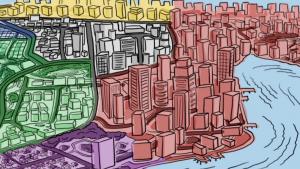
Mounting threats to food and water security, infrastructure, and public health and safety will have a negative impact on many communities across the Pacific Islands. Because Pacific Islands are almost entirely dependent upon imported food, fuel, and material, the vulnerability of ports and airports to extreme events, sea level rise, and increasing wave heights is of great concern. Sea level rise and flooding are also expected to overwhelm sewer systems and threaten public sanitation, endangering public health.

Oceans and Coastal Ecosystems

Ocean temperatures in the Pacific region exhibit strong year-to-year and decadal fluctuations, but since the 1950s, they have also exhibited a warming trend, with temperatures from the surface to a depth of 660 feet rising by as much as 3.6°F. Future sea surface temperatures are projected to continue increasing through 2100, even if current emissions of heat-trapping gases are substantially reduced.

Terrestrial Ecosystems

Projected climate changes will significantly alter the distribution and abundance of many native marine, terrestrial, and freshwater species in the Pacific Islands. On low islands, native vegetation and the fauna it supports may change as periodic flooding increases the salinity of groundwater. On high islands, existing climate zones are generally projected to shift upslope in response to climate change.