

Image
Hazard
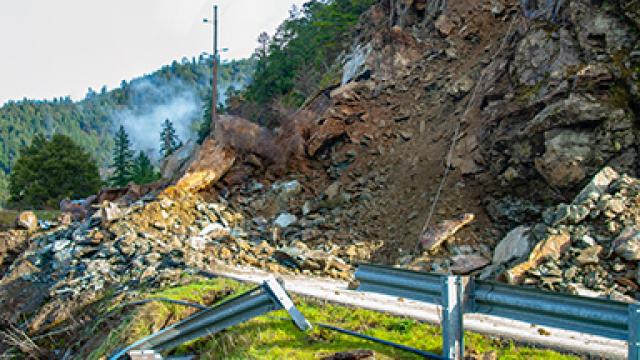
Landslides
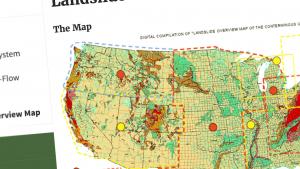
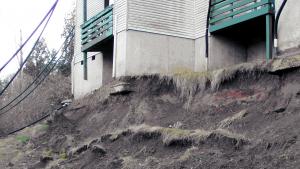
Relatively rapid downhill movement of a mass of soil, rock, and other debris.

Relevant Options
Use debris-flow measures that may reduce damage in sloping areas, such as stabilization, efforts to spread or dissipate the force and flow control measures.
Plan to relocate critical facilities in high-risk areas using a frame in line with their expansion or refurbishment cycles.
Create a map of detours and educate the public on alternative access points and the evacuation plan. Ensure drafted communications include instructions on preparing to be temporarily stranded.
Restrict or limit activity that would strip slopes of essential topsoil.
Integrate erosion and landslide risk hazard mitigation into program administration activities such as your community’s comprehensive plan, land use plan, agency or department strategic plans and program
Conduct an outreach program that educates the public on the dangers of removing natural vegetation from dunes and slopes near buildings and infrastructure.
Beyond strengthening existing systems, increase system redundancy to protect critical infrastructure from power outages.
Improve soil stability by increasing root mass with more vegetation and limiting grading activities.
Encourage utility companies to harden energy infrastructure systems (e.g., poles, lines) against damage from climate-related effects and expand redundancy in the energy network.
Evaluate City facilities in areas at risk of landslides and floods including the likliehood and consequences of additional climate-related impacts to these properties and identify additional actions to
Work with local medical providers and hospitals to ensure that medical facilities are prepared to meet any increased demand because of hazardous events.
Create agreements with AirBnB and other home share platforms to educate guests on hazards and emergency exit strategies.
Consider developing a program to install catch-fall nets for rocks at steep slopes near roadways.
Develop a coordination plan to clear roads from debris after disasters.
Coordinate with community members, transportation agencies and private entities to identify local and regional transportation, transit and active transportation corridors that are at-risk from climate
Increase adoption of distributed energy resources such as solar and wind by lowering financial and regulatory barriers to permitting and development. When installed with battery backup or emergency power
Require the planting of vegetation with strong root systems following a wildfire as a condition for program financing.
Increase training for staff on erosion, sediment, landslides, risk identification and management.
Consider opportunities to add multi-modal transportation options (e.g., walking, biking, transit, rail) to areas isolated by threats. Consider how multi-modal transportation options can serve as an additional
On emergency service stations and emergency response shelters, install solar with battery backup or emergency power inverters to provide at some electrical power in the event of a long-term outage.
Related Case Studies & Action Plans
Image
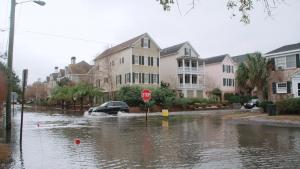
This photo has been released into the public domain because it contains materials that originally came from the U.S. Army Corps of Engineers. No endorsement by licensor implied.
Image
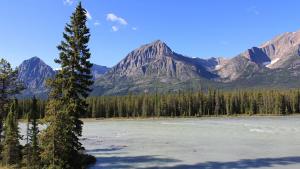
Photo attributed to Royalbroil. Incorporated here under the Creative Commons Attribution 3.0 Unported license. No endorsement by licensor implied.