Home
Main navigation
  • Mega Menu Icon
    Image
    case study icon
    Browse Case Studies
    • Filtered by hazard
      • Drought
      • Extreme Heat
      • Coastal Flooding
      • Flooding
      • Wildfire
    • Filtered by asset
      • Agriculture
      • Community Services
      • Critical Facilities
      • Economy
      • Energy
      • People
      • Property
      • Natural Areas
      • Transportation
      • Water Infrastructure
  • Mega Menu Icon
    Image
    data and tools icon
    Browse Tools
    • Filtered by hazard
      • Drought
      • Extreme Heat
      • Coastal Flooding
      • Flooding
      • Wildfire
    • Filtered by asset
      • Agriculture
      • Community Services
      • Critical Facilities
      • Economy
      • Energy
      • People
      • Property
      • Natural Areas
      • Transportation
      • Water Infrastructure
  • Mega Menu Icon
    Image
    funding icon
    Browse Funding & Capacity
    • Funding & Building Capacity
    • Search for Funding Opportunities
    • Grant Development Resources
    • Overview
    • Get Started
    • Understand Exposure
    • Assess Vulnerability & Risk
    • Investigate Options
    • Prioritize & Plan
    • Take Action
  • Mega Menu Icon
    Image
    popular resources icon
    Browse Popular Resources
    • Announcements
    • Steps to Resilience
    • Help Desk
    • Glossary
    • Contact
    • Case Studies
    • Tools
    • Trainings
    • Options Database
    • Organizations
    • New to the Toolkit?
    • Topics & Sectors
    • Regions
    • Hazards
    • Assets

Breadcrumb

  1. Home
  2. Hazard
Image
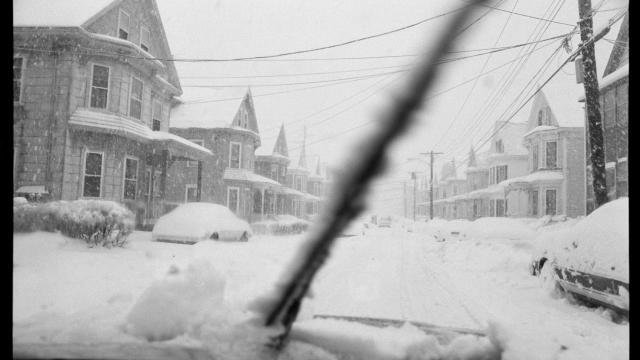
Houses covered in heavy snow on Lawrence Street, MA seen through the snowy windshield of a car
  • Public Domain. Credit: Library of Congress

  • Hazard

    Extreme Cold

    A cold wave is a rapid fall in temperature within 24 hours and extreme low temperatures for an extended period. The temperatures classified as a cold wave are dependent on the location and defined by the local National Weather Service (NWS) weather forecast office. Extreme cold is sometimes accompanied by winter storm events in which the main types of precipitation are snow, sleet, or freezing rain.

    Develop outreach and resource programs that provide clothing and knowledge for homeless populations to deal with being outside in extreme cold, extreme heat and extreme weather events. Encourage residents to avoid unnecessary energy use at peak times during extreme hot or extreme cold temperatures. Partner with community groups to proactively reach out to vulnerable people before and during extreme weather. Provide emergency service staff information about where vulnerable populations are located. Reduce carbon monoxide (CO) poisoning by creating or expanding education on the topic. Distribute CO detectors through education efforts. Expand and increase marketing for low income retrofits. Create or expand a program to give out space heaters. Ensure the program educates recipients about space heaters' impact on utility bills. Browse all strategies

    Related Case Studies & Action Plans

    Image
    island with ice formations
  • This photo has been released into the public domain because it contains materials that originally came from the U.S. National Oceanic and Atmospheric Administration. No endorsement by licensor implied.
  • Relocating the Village of Newtok, Alaska due to Coastal Erosion
    Image
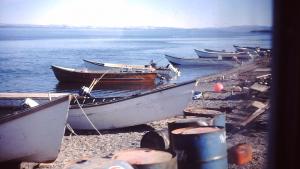
    boats on a shore
  • Photo attributed to Glenn. Incorporated here under the Creative Commons Attribution-Share Alike 2.0 Generic license. No endorsement by licensor implied.
  • Documenting Traditional Ecological Knowledge in Northwest Alaska
    Image
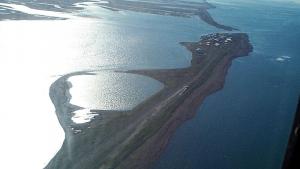
    aerial view of alaskan islands
  • This photo has been released into the public domain because it contains materials that originally came from the U.S. Army Corps of Engineers. No endorsement by licensor implied.
  • Relocating the Village of Kivalina, Alaska Due to Coastal Erosion
    Image
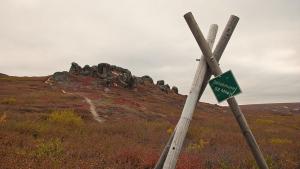
    village marker and rock formation
  • CAKE, Shishmaref Erosion and Relocation Coalition, U.S. Army Corps of Engineers Alaska

  • Relocating the Native Village of Shishmaref, Alaska Due to Coastal Erosion
    Browse Case Studies
    Related Terms
    Cold Wave
    Image
    data and tools icon

    Relevant Tools

    Image
    U.S. Climate Extremes Index
    Image
    Weather Safety Resources for All Hazards
    Image
    Weather.gov website screenshot
  • Weather.gov

  • Weather.gov - Forecast Map
    Image
    Utqiaġvik (Barrow) Sea Ice Radar and Webcam
    Browse All
    Image
    Training and webinars icon

    Relevant Trainings

    Image
    Snow capped mountain
    Climate Services Professional Development Series
    Image
    Climate Change and Extreme Weather
    Image
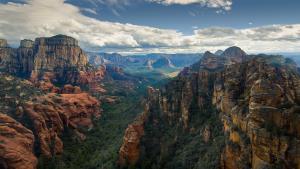
    Canyons in Arizona
  • Canyons near Sedona, AZ by Daniel Weinand. Used via CC BY 2.0 via Flickr.

  • Climate Change and Regional Impacts
    Image
    Local Government Climate Adaptation Training
    Browse All
    ArcGIS Hazard ID
    CWAV_RISKS
    Browse all hazards

    Climate.gov
    • News & Features
    • Teaching Climate
    • Maps & Data
    • FAQs
    Main Menu
    • About
    • FAQ
    • Contact
    • Acknowledgments
    • Sitemap
    Latest
    • Funding Opportunities
    • Glossary
    • Announcements
    Partners
    • climate.data.gov
    • climate.gov
    • USA.gov
    • NEMAC
    Toolkit
    • Case Studies
    • Tools
    • Funding
    • Steps to Resilience
    • Popular Resources

    Climate Resilience Toolkit home link

    Required Footer Links
    • NOAA Privacy
    • Accessibility
    • FOIA
    • Information Quality
    • No-FEAR Act
    • Ready.gov
    • USA.gov