Image
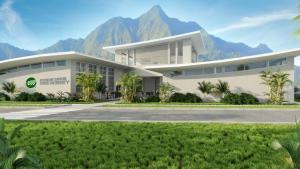
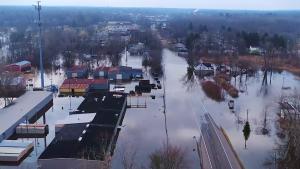
FBC Building by Christian Dembowski. Used via CC BY-NC-ND 2.0, via Flickr.
Asset
Property
Land, buildings, and other structures
Develop a comprehensive maintenance and training program for local government employees at facilities with backup generators to ensure proper placement, hook-up and function during hazard events.
Review and update nuisance ordinances to minimize the chance of damage from leaning or dead trees, loose debris and construction sites during abnormally high wind conditions.
To prepare for high wind, floods and wildfires, fund cleanup activities in areas with abandoned or collapsed structures and accumulated trash or debris.
Identify areas at high risk of climate impacts as adaptation action areas and include them as target areas in the comprehensive plan.
Regulate new development and mitigate old construction in wildfire hazard areas, especially in the urban growth boundary.
Update the zoning ordinance to promote Low Impact Development and more resilient development in low lying areas.
Create design guidelines for retrofitting and elevating historic buildings to protect them from flooding.
Introduce program incentives to encourage building developers to use non-combustible materials (e.g., stone, brick, stucco) for new construction.
Work with utilities and community partners to develop a weatherization program for renters. Doing so will reduce heating and cooling bills, especially
Incorporate the impact of anticipated development in flood modeling and flood maps. Local regulations may refer to these maps, even if they do not align with Flood Insurance Rate Maps.
Aggressively participate in FEMA funding programs to protect private Property.
Help connect low-income residents with existing weatherization programs. These programs often provide home insulation, water heater insulation, double-paned windows, thermostats, window coverings, fans
Reduce flood insurance premiums by improving CRS rating.
Include water efficient strategies (i.e. efficient landscapes, sprinkler systems, xeriscape, cooling tower systems) in public awareness campaigns.
Add or increase local freeboard requirements in the flood ordinance so that all housing, household utilities and public facilities are built or rehabilitated to at least four feet above the base flood
Reduce wildfire risk in natural landscapes by investigating opportunities available through zoning, home construction and fire safe building and landscape codes for the wildland-urban interface. Reference
Design policies and incentives for private landowners, businesses and landlords to plant native species and reduce the use of fossil fuel derived fertilizers and pesticides.
Reduce response time by speeding up reporting of wildfire ignition through community watch programs or through tools that use remote sensing technology.
Buildings can be built today with high ceilings on the ground floor so that the floor can be filled in as sea levels rise over time.
Require the use of Open Space Residential Design or Conservation Subdivision regulations for any residential subdivision.
Browse all strategies
Related Case Studies & Action Plans
Image
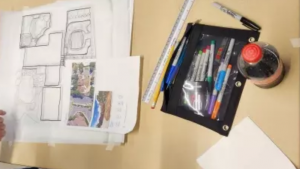
Ariel Léger/University of Arizona