



Image
Hazard
Water Quality
Surface waters and aquifers can be contaminated by various chemicals, microbes, and radionuclides. Common sources of drinking water contaminants include industry and agriculture, human and animal waste, treatment and distribution, and natural sources.

Relevant Options
Incentivize private property owners to implement green infrastructure (GI) and stormwater best practices through a reduced stormwater fee incentive program, zoning or other mechanisms. Encourage GI installations
Ensuring proper management of agricultural runoff water to reduce the likelihood of contamination during heavy rain events and flooding.
Adopt planning and land-use policies that support clean air, clean drinking water and pollution-free waterways.
Adopt low-impact development (LID) standards, add incentives and remove regulatory barriers (e.g., in the zoning ordinance) to encourage green infrastructure, especially in low lying areas. Green infrastructure
Inventory the use of herbicides and pesticides in parks and other public properties. Develop a strategy and establish targets to reduce use.
Create a green infrastructure and fee credit program for water retention. Consider expanding the program to include water treatment incentives.
Reduce non-point source pollution at local government facilities by ensuring the staff and operations are meeting National Pollutant Discharge Elimination System permit requirements.
After completing a plan, revisit and revise the goals and strategies every 2 years based on implementation results and new information.
Expand support for local water quality efforts through outreach about recycled water and source water quality.
Improve road drainage around waterbodies and waterways to reduce stormwater runoff and erosion.
Phase out septic systems where necessary to protect public health and water quality. Develop funding mechanisms to help homeowners with the cost of septic-to-sewer conversion.
Encourage the use of treatment wetlands to manage additional wastewater.
Develop and implement a jurisdiction-wide green infrastructure plan that supports vegetation-based stormwater management best practices and strategies for managing urban heat.
Evaluate the viability and costs of new advanced reclaimed water treatment technologies to increase water quality for potable reuse.
Plant native vegetation in the buffer around lakes to help maintain their ecological health and water quality.
Evaluate potential sources of contamination and current practices to protect water quality (e.g., gas stations).
Foster innovation, development and exchange of ideas for addressing climate impacts.
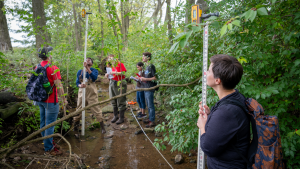
Monitor and track current water conditions and create a baseline report. Compile an expert panel to analyze and identify key stressors on lakes and how to address them to improve the quality.
Design policies and incentives for private landowners, businesses and landlords to plant native species and reduce the use of fossil fuel derived fertilizers and pesticides.
Examine the effects of climate change and sea level rise on water availability and groundwater vulnerability to saltwater intrusion. Consider potential changes in precipitation and evapotranspiration