


Image
Hazard
Severe Winter Weather
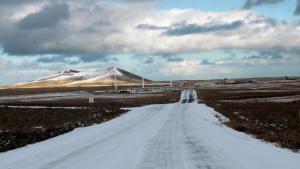
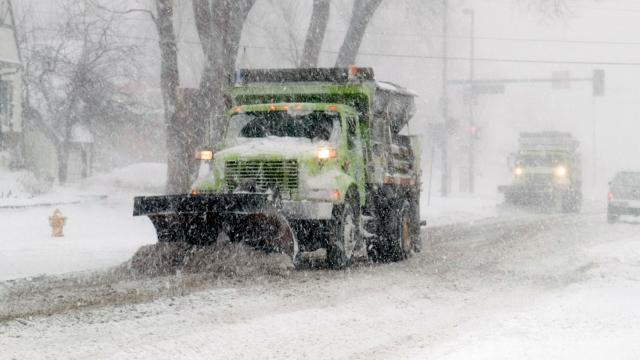
Winter Weather consists of winter storm events in which the main types of precipitation are snow, sleet, or freezing rain.

Relevant Options
Work with local medical providers and hospitals to ensure that medical facilities are prepared to meet any increased demand because of hazardous events.
Develop new policy that requires private property owners to maintain sidewalks or accessible route to property.
Work with utilities and community partners to develop a weatherization program for renters. Doing so will reduce heating and cooling bills, especially
Partner with banks to increase household emergency savings accounts.
Increase adoption of distributed energy resources such as solar and wind by lowering financial and regulatory barriers to permitting and development. When installed with battery backup or emergency power
Partner with community groups to proactively reach out to vulnerable people before and during extreme weather.
Provide budget billing and deferred payment plans for families impacted by extreme events.
Require that all publicly funded properties be energy efficient.
Use the best available science and resilient design features in transportation infrastructure to improve resiliency to extreme climate events.
Develop mechanisms to alert and protect outdoor workers and vulnerable populations from extreme heat and cold.
Create a safety plan in accordance with FEMA's Incident Command System (ICS) requirements. ICS provides an organizational structure capable of responding
Create or expand a program to give out space heaters. Ensure the program educates recipients about space heaters' impact on utility bills.
Grow partnerships between the public, private and nonprofit sectors to provide critical services to vulnerable populations in times of crisis.
Test new technologies, materials and tools to increase preparedness for power outages during extreme weather. For example, test various means of backup power to protect traffic-control facilities, including
Develop a notification system for natural hazards that is responsive to community needs.
Ensure alternate transportation facilities (e.g., trails, separated bike paths, sidewalks) are available to enable impacted residents to access public services and health services without requiring a
Expand workforce preparedness training opportunities and programs to quickly restore essential local government services after a major shock.
In case of power outages, ensure emergency personnel have access to and protocols for CB and ham radio usage. Ham radios require an informal network of operators. These communications can help emergency
Reduce carbon monoxide (CO) poisoning by creating or expanding education on the topic. Distribute CO detectors through education efforts.
Partner with businesses on long-term recovery.
Related Case Studies & Action Plans
Image
This photo has been released into the public domain because it contains materials that originally came from the U.S. National Oceanic and Atmospheric Administration. No endorsement by licensor implied.
Image
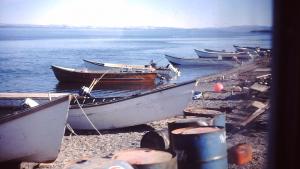
Photo attributed to Glenn. Incorporated here under the Creative Commons Attribution-Share Alike 2.0 Generic license. No endorsement by licensor implied.
Image
Photo attributed to Royalbroil. Incorporated here under the Creative Commons Attribution 3.0 Unported license. No endorsement by licensor implied.