Image
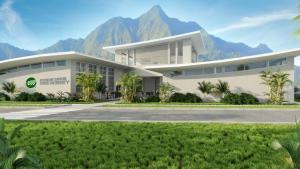
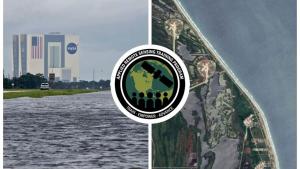
FBC Building by Christian Dembowski. Used via CC BY-NC-ND 2.0, via Flickr.
Asset
Property
Land, buildings, and other structures
Relevant Options from Plans
To better assess General Fund impacts, the City can develop a “Climate Return on Investment” (Climate ROI) budget memo that frames climate spending in terms of avoided costs and tangible benefits. This approach would quantify public health savings from re
Zero waste approach - this strategy creates 10 times more jobs per ton than landfills and incinerator
One goal is to have culturally, geographically, and economically diverse electric vehicle ownership, and to have more widespread fast-charging infrastructure to support more electric vehicles on the road. The City will need to make this transition by list
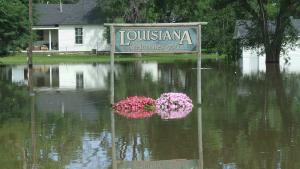
Create an education outreach campaign for the public about securing debris, propane tanks, yard items or stored objects that may otherwise be swept away, damaged or pose a hazard if picked up and washed
Reference American Society of Civil Engineers’ standard 24-05 Flood Resistant Design and Construction requirements in the design and construction of public facilities in flood hazard areas.
Use the transfer of development rights method to allow developers to increase densities on parcels with low flood risk in return for keeping flood-prone areas vacant.
Elevate coastal buildings, roads, bridges and other infrastructure to manage projected sea level rise, recurrent tidal flooding and storm surge.
Develop or reference existing guidelines for substantial rehabilitation and new construction of housing in wildfire hazard areas.
Regulate new development and substantial rehabilitation in the Wildfire Lands Overlay part of the urban growth boundary
Require and maintain safe access for fire apparatus in areas near wildfire-prone neighborhoods and properties.
Publish a guide on steps that property owners can take to make their existing buildings more resilient.
Assess the need for passive and active cooling and resilience retrofits in government facilities. Consider the impacts of increasing heat events and higher nighttime temperatures on operations and maintenance
Encourage commercial and industrial cooling tower system upgrades that decrease water use. Increasing water use efficiency can prevent or alleviate drought impacts. Cooling towers can be high volume water
Develop a protection plan and implement reinforcement measures for high-risk areas. (Strategy: Manage development in high-risk areas)
Create or expand a program that provides energy retrofits for public housing.
Identify and plan for the use of municipal and county facilities (e.g., library, community buildings) as temporary shelter from storms or as cooling centers. Consider partnering with area nonprofits and
Conduct an audit of landslide and flood-prone areas. Identify the likelihood and consequences of climate related impacts to these properties.
Establish policies for building rehabilitation programs that limit the percentage of impervious surface — areas covered by impenetrable materials such as asphalt, concrete and rooftops — within developed
Integrate wildfire hazard mitigation into program administration activities such as your community’s comprehensive plan, agency or department strategic plans and program guidance materials.
Retailers can move the inventory stored in the basement of their stores onto shelves to reduce flood damage in the near term before local flood defenses are built.