

Image
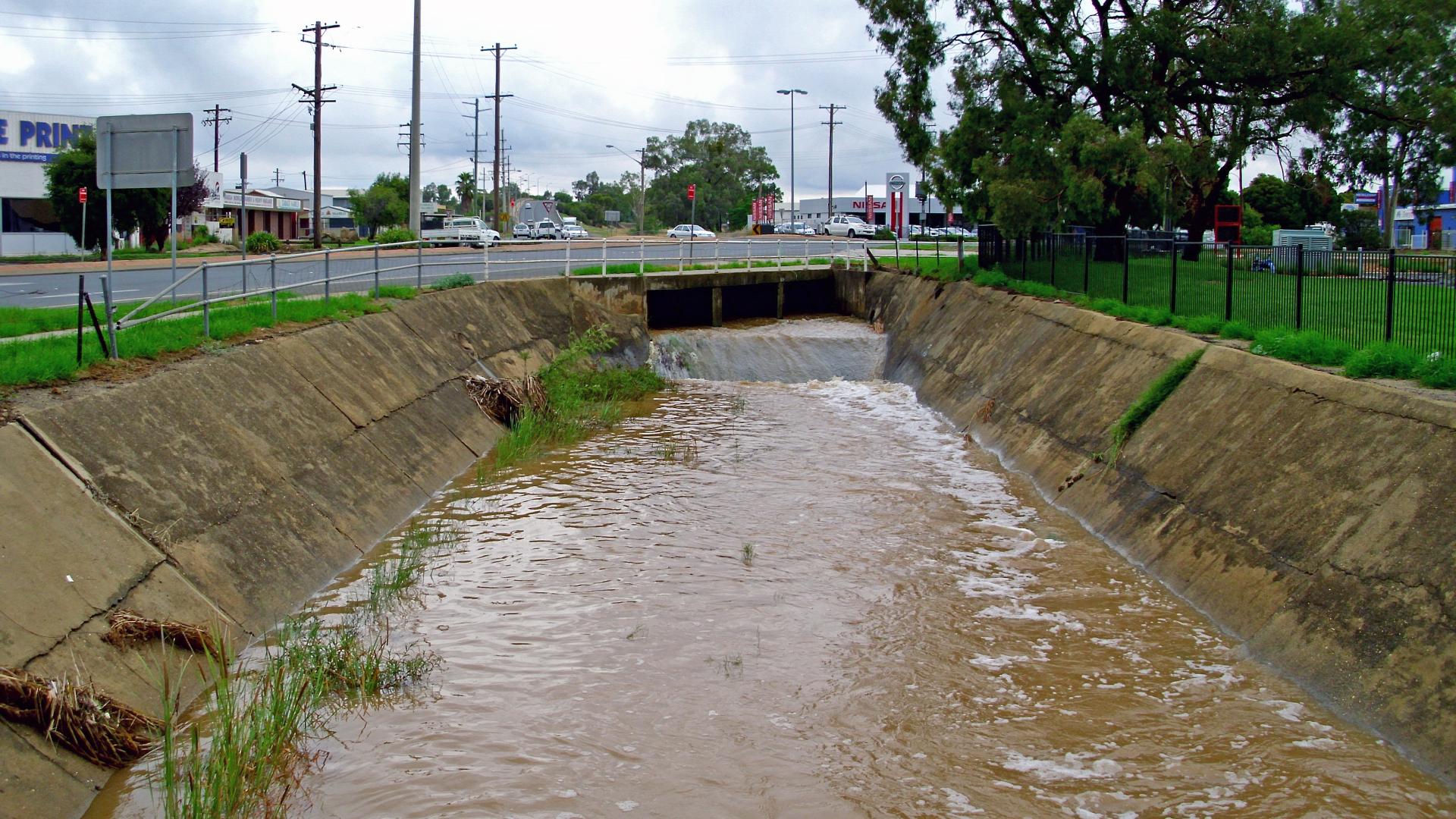
Stormwater culvert along Dobney by Bidgee. Used via Creative Commons Attribution ShareAlike 3.0, via Wikimedia.
Asset
Water Infrastructure – Stormwater
Flood control structures, ditches, street gutters, sewer systems

Relevant Options
Coordinate among city, town and county government public works agencies, water utilities and other operators of water infrastructure to develop and maintain local and regional inventories of existing
Develop a design methodology for stormwater improvement projects that incorporates climate impact projections and regional development forecasts.
Require higher stormwater treatment design standards for water quality related to outputs and surface water assets.
Explore potential uses of rainwater runoff in urban areas to address low water supply and drought. For example, rainwater may be a used to water areas downstream.
Develop uniform watershed-based stormwater policies across jurisdictional boundaries.
Develop or adopt safety guidelines for appropriate and safe graywater use. Within the guidelines, encourage the use of captured stormwater for irrigation and other applicable purposes where non-potable
Address the resilience of the regional flood control system. Coordinate with the Water Management District and local public officials to request a comprehensive
Urge federal, state, regional and local partners to prioritize climate change considerations in the planning, construction and operation of the regional water management and flood control system.
Serve as a proactive convener on area-based stormwater infrastructure improvements, rather than manage these improvements parcel by parcel.
Reduce flooding by targeting stream restoration in gullies that are most affected by fluctuations in water volume.
Adopt low-impact development (LID) standards, add incentives and remove regulatory barriers (e.g., in the zoning ordinance) to encourage green infrastructure, especially in low lying areas. Green infrastructure
Evaluate and pilot smart technologies to manage and monitor stormwater and flooding. One example technology is the use of real-time controls in detention systems across the watershed to manage volumes
Support neighborhood green infrastructure grants and ongoing maintenance.
Develop and adopt a cohesive regional stormwater ordinance. Include baseline best practices and the option for communities to go beyond minimum requirements.
Develop regional and distributed surface water storage to increase the potential for stormwater capture and reuse for water supply, aquifer recharge, flood management and environmental benefits.
Coordinate with Northern Palm Beach County Improvement District and County and share information from the SWMP and Resilience Assessment.
Upgrade water and wastewater systems to accommodate projected changes in water quality, quantity and availability.
Improve road drainage around waterbodies and waterways to reduce stormwater runoff and erosion.
Identify and remedy poor drainage areas to reduce disease risk from stagnant water.
Create a green infrastructure and fee credit program for water retention. Consider expanding the program to include water treatment incentives.
Related Case Studies & Action Plans
Image
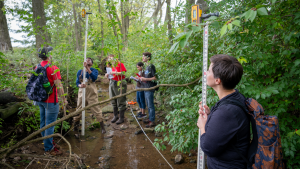
Nancy Pau/USFWS