Image
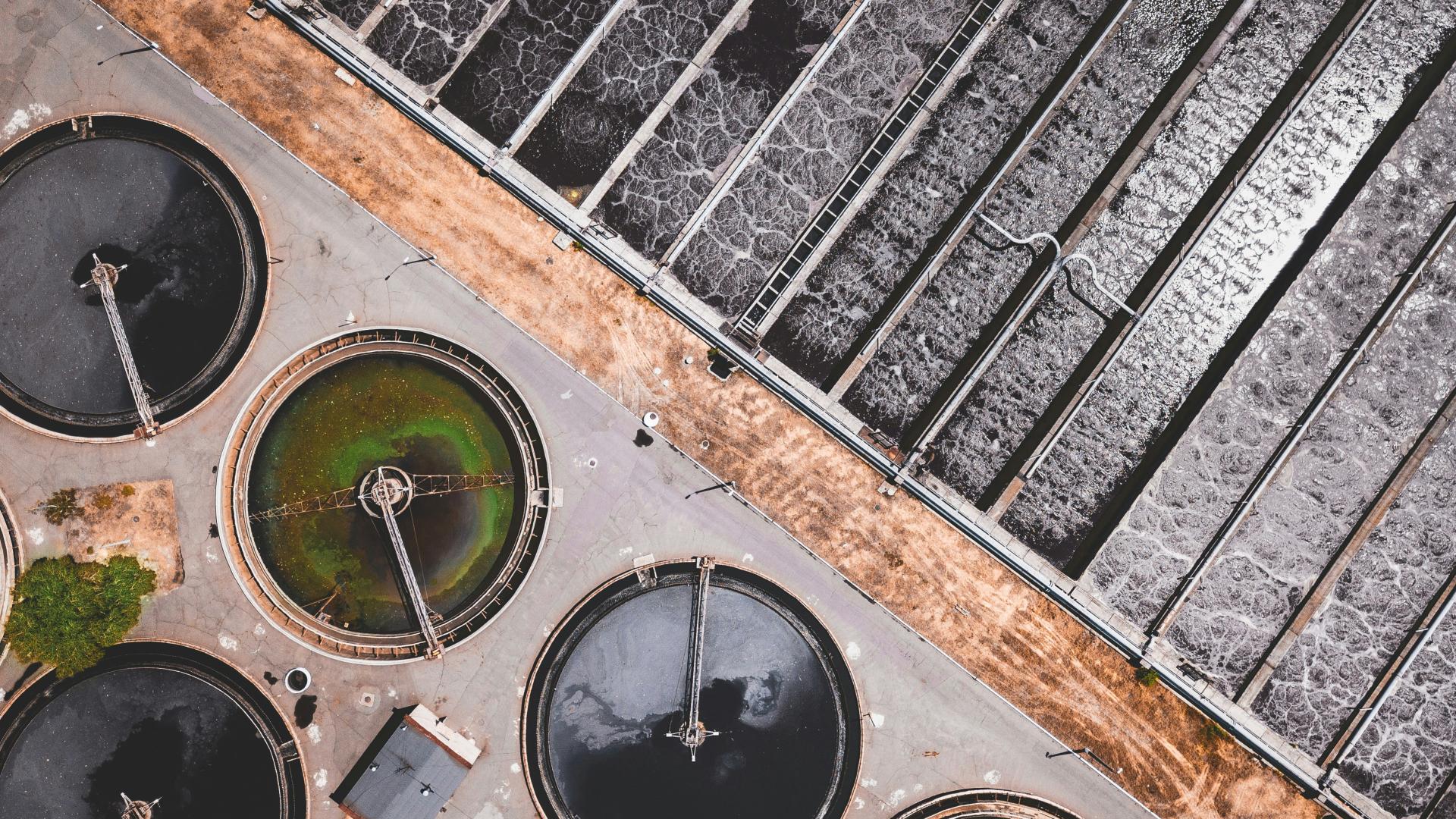
Top view of concrete structures by Ivan Bandura
Asset
Water Infrastructure – Wastewater

Develop and regularly update a coastal erosion assessment to track conditions of coastline bluffs, beaches, access stairs, ramps, outfalls, seawalls or other related infrastructure.
Plant native vegetation in the buffer around lakes to help maintain their ecological health and water quality.
Create a new, permanent staff position for outreach and education related to forest health.
Monitor and track current water conditions and create a baseline report. Compile an expert panel to analyze and identify key stressors on lakes and how to address them to improve the quality.
Grow educational and outreach efforts within agencies, community partners and the public to build support for forest management options, including allowing natural fires to burn.
Work with neighboring elected officials to establish wildfire mitigation requirements for large-scale areas.
Update building codes to remove barriers to composting toilets and tank-to-toilet systems.
Design program policies to promote stream and wetland restoration. Ensure adequate retention, drainage and diversion of stormwater. Such policies could also encourage green infrastructure such as grassy
Set a goal to become stormwater neutral by increasing the ability of the jurisdiction to capture, infiltrate, retain or evapotranspirate the first inch of rainwater. This achievement would benefit local
Evaluate climate-related risks for sludge and biosolids mobility, contamination, storage, and/or processing. Ensure sludge and sewage processing facility placement and design minimize health and environmental
Write regulations encouraging the use or integration of living shorelines where feasible.
Encourage the installation of graywater systems for water reuse.
Encourage daylighting streams — restoring above-ground water flow to a stream that is diverted below ground — to reduce polluted runoff and address flash flooding.
Implement a stream monitoring system that alerts staff and emergency management about rising water levels. Such a system would prompt regular checks and calls for evacuation, when needed.
Require increased buffers and stream flooding capacity for stream restoration projects.
Create incentives for developers to maintain riparian corridors.
Monitor and improve natural creek conditions to improve flood flow to reduce erosion, improve habitat and protect the adjacent neighborhoods and commercial areas.
Increase investment that support reductions in inflow and infiltration into wastewater collection systems.
Sponsor local volunteer events to reduce fuel loads along the wildland-urban interface.
Identify and implement strategies to fund wetland restoration.
Browse all strategies
Related Case Studies & Action Plans
Image
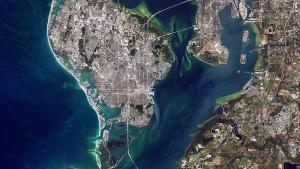
This image has been released into the public domain because it contains materials that originally came from the United States National Aeronautics and Space Administration (NASA). No endorsement by licensor implied.
Image
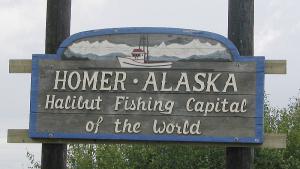
(c) 2005 Derek and Julie Ramsey (Ram-Man). Incorporated here under the Creative Commons Attribution-Share Alike 2.5 Generic license. No endorsement by licensor implied.
Image
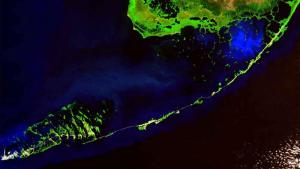
Photo attributed to www.terraprints.com. Incorporated here under the Creative Commons Attribution 2.5 Generic license. No endorsement by licensor implied.
Image
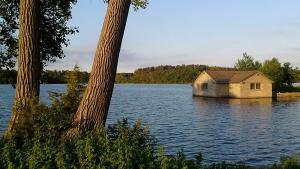
Photo attributed to McGhiever. Incorporated here under the Creative Commons Attribution 3.0 Unported license. No endorsement by licensor implied.