Image
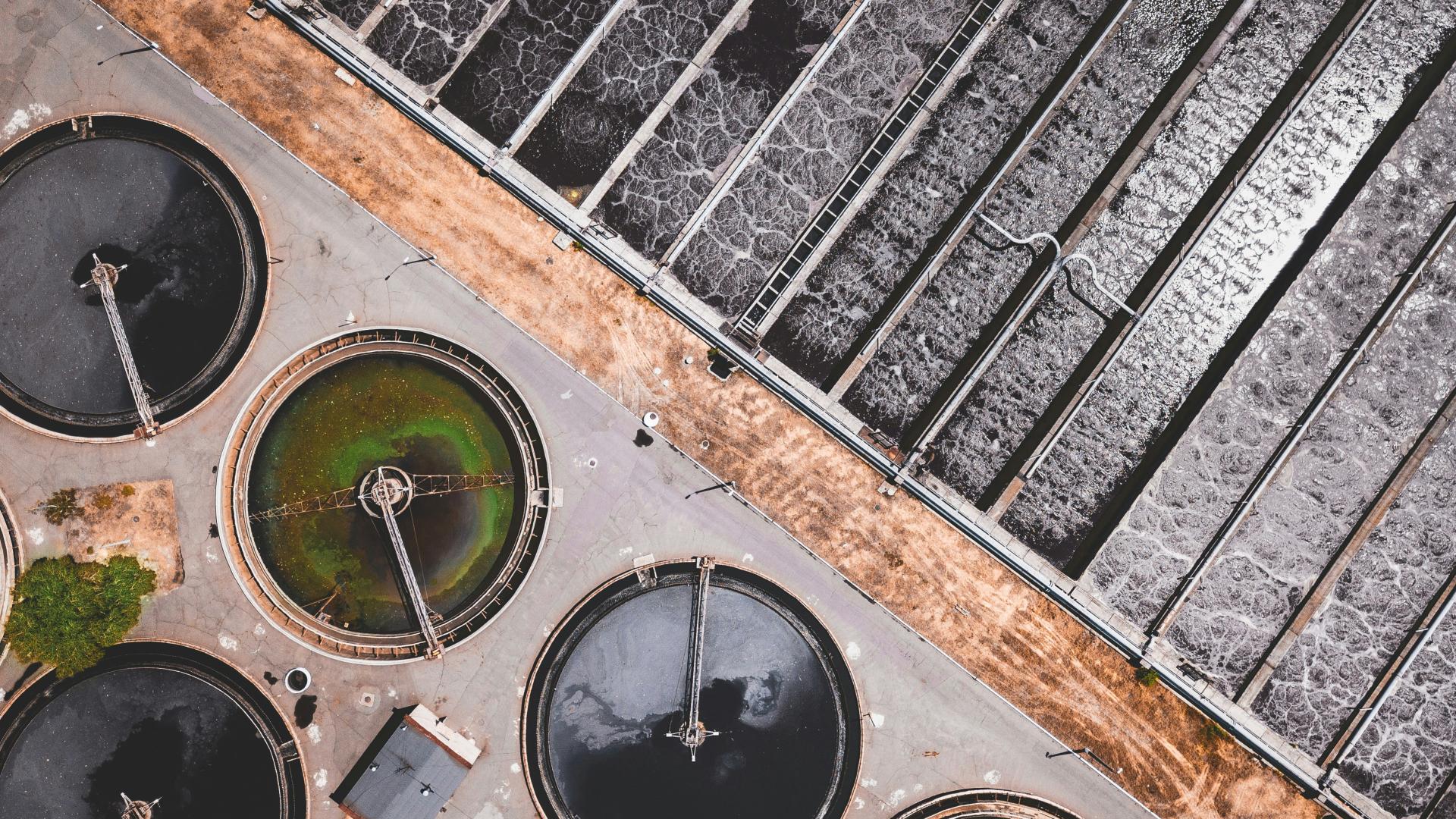
Top view of concrete structures by Ivan Bandura
Asset
Water Infrastructure – Wastewater

Conduct a resource gap assessment and identify and pursue new partnership opportunities to implement wildfire protection measures.
Improve soil stability by increasing root mass with more vegetation and limiting grading activities.
Develop a toilet retrofit program with an emphasis on serving low-income households. Such programs feature a rebate to customers that purchase and install a low flow toilet that uses 1.28 gallons per
Encourage residents to re-establish natural floodplains.
Collaborate with resource management agencies and the Soil and Water Conservation District to research the most effective and environmentally responsible ways to implement vegetation treatments to reduce
Identify specific locations and general conditions that could use living shorelines in place of, or in combination with, seawalls.
Develop a land bank program to preserve the natural and beneficial functions of flood hazard areas.
Phase out septic systems where necessary to protect public health and water quality. Develop funding mechanisms to help homeowners with the cost of septic-to-sewer conversion.
Align flood mitigation and open space investments.
Establish long-term governmental agreements with federal, state, local, tribal, nonprofit and private partners to implement aggressive forest thinning, prescribed burning, post-treatment monitoring and
Promote the protection and restoration of coastal natural systems and the creation of living shorelines at the regional scale.
Increase the amount of ground cover and understory plantings for their water retention capacity.
Monitor the success of migration by species of concern to newly suitable habitats. Identify additional protections for water and land, as needed, to ensure
Document the hydrologic value of regional lands. Protect and invest in policies and actions that preserve the hydrological value of watersheds.
Restore degraded ecosystems to a “climate-smart” condition that enhances the natural adaptive capacity of biological communities and allows for a healthy and functioning biological community both now
Seal wastewater pipes that are at or below the existing groundwater level to protect the system against rising groundwater.
Increase floodplain and channel roughness to help dissipate the anticipated increase in runoff. Install bioengineered surfaces (e.g., vegetation incorporated with wood and rock to harden channels) along
Identify locations of controlled (prescribed) burns and track them in a database.
Identify processes (e.g., policy, programmatic and financial tools) to support runoff and erosion management in riparian areas.
Provide private landowners with incentives for forest protection through easements and working forests that can return revenue from timber harvesting to cover taxes and other expenses of maintaining forest
Browse all strategies
Related Case Studies & Action Plans
Image
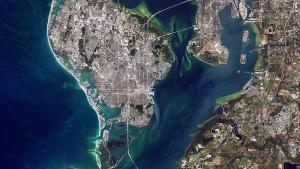
This image has been released into the public domain because it contains materials that originally came from the United States National Aeronautics and Space Administration (NASA). No endorsement by licensor implied.
Image
(c) 2005 Derek and Julie Ramsey (Ram-Man). Incorporated here under the Creative Commons Attribution-Share Alike 2.5 Generic license. No endorsement by licensor implied.
Image
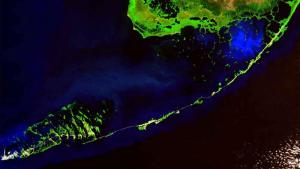
Photo attributed to www.terraprints.com. Incorporated here under the Creative Commons Attribution 2.5 Generic license. No endorsement by licensor implied.
Image
Photo attributed to McGhiever. Incorporated here under the Creative Commons Attribution 3.0 Unported license. No endorsement by licensor implied.