



Image
Hazard
Water Pollution
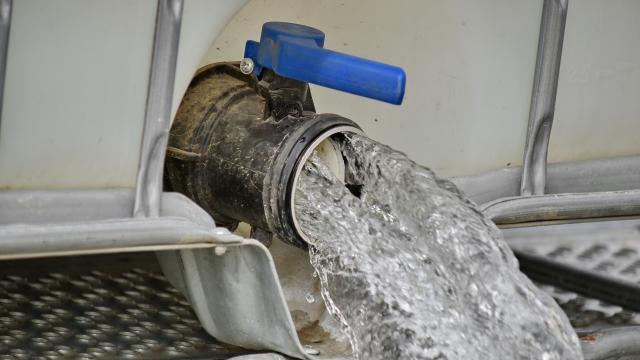
Surface waters and aquifers can be contaminated by various chemicals, microbes, and radionuclides. Common sources of drinking water contaminants include industry and agriculture, human and animal waste, treatment and distribution, and natural sources.

Relevant Options from Plans
Purchase backup generators for the water infrastructure system to provide a sustained minimal level of water services in the event of a catastrophic power loss.
Maximize the planning and implementation of green infrastructure at the watershed scale and site-specific locations. Green infrastructure helps manage stormwater on site, can improve water quality, can
Implement a well water testing protocol for coliform bacteria contamination, iron and manganese levels.
Promote green infrastructure (GI) for residential, commercial and golf course properties. Encourage GI installations such as wetlands, supply canals and lakes, green roofs, rain barrels and trees. GI
Encourage landowners to monitor and protect water quality in private wells.
Collaborate to sustainably manage the regional water supply.
Coordinate among city, town and county government public works agencies, water utilities and other operators of water infrastructure to develop and maintain local and regional inventories of existing
Add continuous deflection separation units where necessary to the sewer system across the jurisdiction to prevent major debris from contaminating water systems.
Revise and update land acquisition priorities in a regional setting to protect, preserve and enhance water storage.
Increase urban green space to reduce runoff, promote groundwater recharge and reduce drought impacts. Examples might include using permeable streets and increasing greenery and water retention basins
Develop a notification system for natural hazards that is responsive to community needs.
Develop a spatial database of resilience projects for water infrastructure. Track the climate resilience projects being designed and built.
Encourage nonprofits to hold land conservation easements. Encourage them to use those easements in ways that help manage climate change impacts.
Develop programs to achieve net zero energy drinking water and wastewater treatment facilities Including microhydro, solar energy, heat exchange, building
Pilot approaches to bring landowners and key agencies together to plan and implement runoff management, erosion management and riparian restoration activities. Identify models and best practices for joint
Collaborate with partner agencies on water quality improvement efforts, including capital projects and programming.
When developing a long-term watershed management plan, include the results of ecological assessments.
Monitor water quality at recreational beaches when risk of unsafe conditions is present.
Create a template presentation about water quality to share among partners. The presentation could focus on golf courses and other commercial properties.
Assure affordable access to safe drinking water for all.