

Image
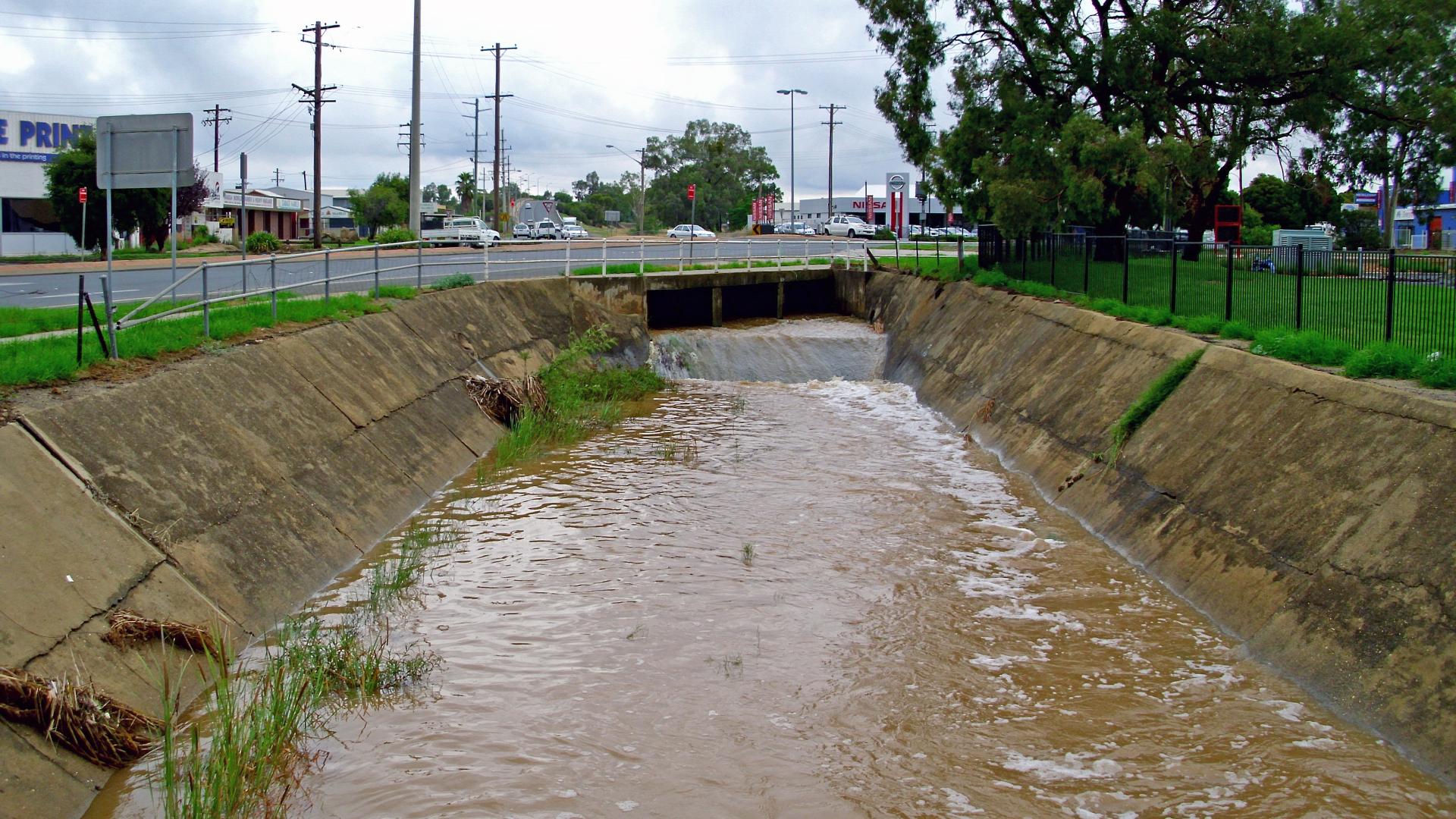
Stormwater culvert along Dobney by Bidgee. Used via Creative Commons Attribution ShareAlike 3.0, via Wikimedia.
Asset
Water Infrastructure – Stormwater
Flood control structures, ditches, street gutters, sewer systems

Launch an education campaign for homeowners and contractors about water quality and the importance of not flushing grass clippings, chemicals, mud and other debris into the storm sewer system.
Promote the reuse of stormwater by implementing capture and reuse technologies in county and municipal operations, where feasible.
Evaluate landscape and stormwater codes for suitability with projected changes in temperature and precipitation. Include an evaluation of how effectively
Strengthen stormwater management regulations to account for future sea level rise conditions.
Hire a stormwater program consultant to assess the jurisdiction's stormwater plan.
Develop a regional approach to monitoring conditions of dams and berms.
Increase the capacity of stormwater management systems.
Reduce threshold for stormwater quantity control and consider improvements to streams: increase quality control, improve incentives for current roles to increase quantity and infiltration
Establish a fund to maintain or rehabilitate existing flood protection infrastructure such as flood walls, levees and diversions.
Establish or enhance programs to link, manage and expand existing parks and preserves to help manage stormwater.
Train and grow a stormwater infrastructure workforce that can support nature-based solutions. Training programs could include planners, engineers, builders and maintenance companies.
Explore more environmentally friendly options for ice abatement on local streets.
Increase drainage and storage design standards for private development.
Complete a comprehensive climate adaptation strategy.
Update the Intensity, Duration and Frequency (IDF) curves used by stormwater infrastructure designers to inform the sizing of new capital improvements based on latest precipitation data.
Review the capacity of existing drainage structures to understand their ability to manage increased precipitation projections. Identify the likelihood and consequences of impacts to this infrastructure
Evaluate mechanisms to support private property owners in making drainage improvements in landslide prone areas. Prioritize the needs of communities of
Implement new maintenance initiatives to improve performance of existing stormwater systems.
Provide incentives (density bonuses, permitting fees, faster review process, etc.) to developers to reduce impervious surfaces beyond riparian buffer rules and leave riparian areas in place.
Identify funding for and routinely clean and repair stormwater drains.
Browse all strategies
Related Case Studies & Action Plans
Image
Nancy Pau/USFWS