
Image
Hazard
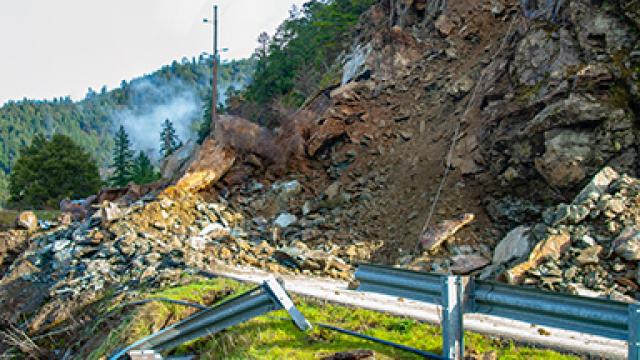
Landslides
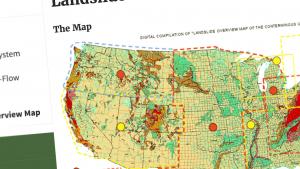
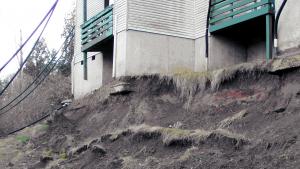
Relatively rapid downhill movement of a mass of soil, rock, and other debris.

Relevant Options
On emergency service stations and emergency response shelters, install solar with battery backup or emergency power inverters to provide at some electrical power in the event of a long-term outage.
Evaluate the jurisdiction's steep slope ordinance and consider amendments to reduce the risk of impacts to downslope residential properties (i.e., consider a lower elevation threshold for development
Require that new development develop a transportation access plan to ensure that are multiple ingresses and egresses.
Enhance emergency communication capabilities and evacuation strategies, routes and safety zones.
Partner with banks to increase household emergency savings accounts.
Develop agreements with Uber and other ride share platform drivers to provide emergency egress and evacuation services to residents and community visitors vulnerable to road access issues.
Use overlay zones in your land use regulations to encourage or require safer development in the areas most at risk from climate change impacts.
Increase the capacity of residents to be self-reliant for the first few days following an extreme weather emergency. Emergency personnel are often overwhelmed during extreme weather emergencies and neighbors
Define steep slope and areas at high risk of landslides in land use and comprehensive plans.
Plan for alternate routes/info source if closed due to landslides
Support the study and development of microgrid infrastructure systems to enhance power quality, reliability and resilience for facilities during grid outages and under normal conditions.
Use the best available science and resilient design features in transportation infrastructure to improve resiliency to extreme climate events.
Build retaining walls to protect against mass wasting — the movement of rock and soil down a slope — from mudslides.
Provide budget billing and deferred payment plans for families impacted by extreme events.
Assess options for secondary access in landslide-prone areas.
Consider prohibiting or limiting development or economic development activities in high-risk areas, such as along steep river bluffs that may erode with heavy precipitation or flooding.
Grow partnerships between the public, private and nonprofit sectors to provide critical services to vulnerable populations in times of crisis.
Evaluate mechanisms to support private property owners in making drainage improvements in landslide prone areas. Prioritize the needs of communities of
Create a safety plan in accordance with FEMA's Incident Command System (ICS) requirements. ICS provides an organizational structure capable of responding
Encourage the use of natural bank stabilization techniques.
Related Case Studies & Action Plans
Image
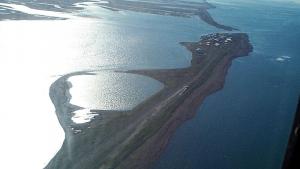
This photo has been released into the public domain because it contains materials that originally came from the U.S. Army Corps of Engineers. No endorsement by licensor implied.
Image
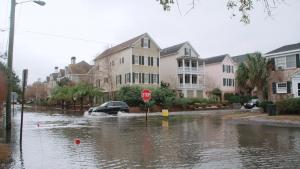
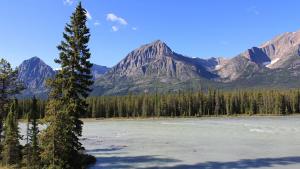
Photo attributed to Royalbroil. Incorporated here under the Creative Commons Attribution 3.0 Unported license. No endorsement by licensor implied.