
Image
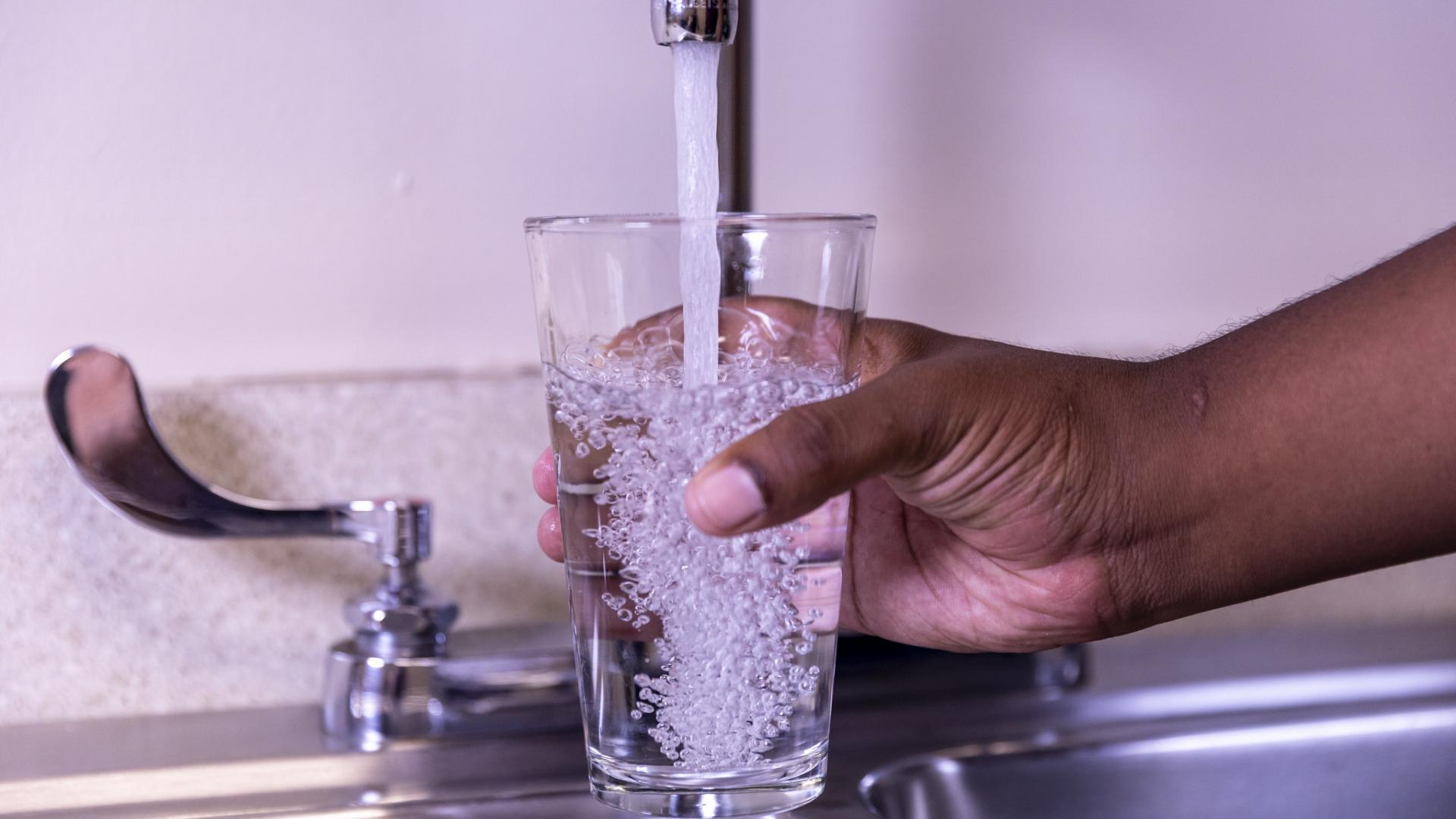
Public Domain. Credit: Alabama Extension
Asset
Water Infrastructure – Drinking Water
Water treatment plants, including raw water supplies and systems to distribute water to homes and businesses

Relevant Options
Coordinate among city, town and county government public works agencies, water utilities and other operators of water infrastructure to develop and maintain local and regional inventories of existing
Evaluate the viability and costs of new advanced reclaimed water treatment technologies to increase water quality for potable reuse.
Upgrade water and wastewater systems to accommodate projected changes in water quality and availability.
Assess and prioritize natural public areas for additional water storage capacity. This action could also support natural habitat resilience.
Assure affordable access to safe drinking water for all.
Develop programs to achieve net zero energy drinking water and wastewater treatment facilities Including microhydro, solar energy, heat exchange, building
Increase the number of public water systems and publicly owned wastewater treatment works implementing an asset management program. Asset management programs facilitate the ability to track maintenance,
Implement a well water testing protocol for coliform bacteria contamination, iron and manganese levels.
Examine regionalization efforts and sharing of resources for all water utilities.
Promote the city’s water service line insurance program.
Consider agricultural needs when updating current water management infrastructure to maintain high-quality agricultural water supply at a reasonable cost
Expand public investment, particularly hazard mitigation funding, to flood-proof or relocate drinking water and infrastructure. The program would invest in infrastructure at significant risk of flooding,
Create emergency communication plans and tools to quickly and effectively save water during a shortage.
Integrate drought preparedness and management efforts into community plans (e.g., comprehensive plan, strategic plan, water resource plan)
Routinely inspect the functionality of fire hydrants.
Urge federal, state, regional and local partners to prioritize climate change considerations in the planning, construction and operation of the regional water management and flood control system.
Design and construct additional Capital Improvements - Green & Gray Infrastructure to provide a reliable water supply to 1.7 million customers.
Complete a climate readiness assessments of drinking water, stormwater and wastewater infrastructure.
Promote water conservation and water reuse in local businesses and industry. Increasing water use efficiency can prevent or alleviate drought impacts.
Develop and update regional water models. Ensure water management models account for future climate conditions.
Related Case Studies & Action Plans
Image
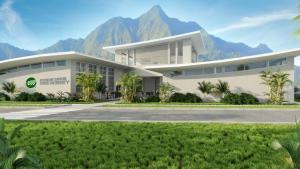
Photo attributed to U.S. Fish and Wildlife Service Headquarters. Incorporated here under the Creative Commons Attribution 2.0 Generic license. No endorsement by licensor implied.
Image
Photo attributed to Dirk Ingo Franke. Incorporated here under the Creative Commons Attribution 3.0 Unported license. No endorsement by licensor implied.
Image
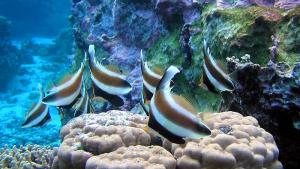
This image has been released into the public domain because it contains materials that originally came from the National Park Service. No endorsement by licensor implied.